Orbit Sprinkler Head Repair: 10 Pro DIY Tips for 2026
Updated: Jun 9
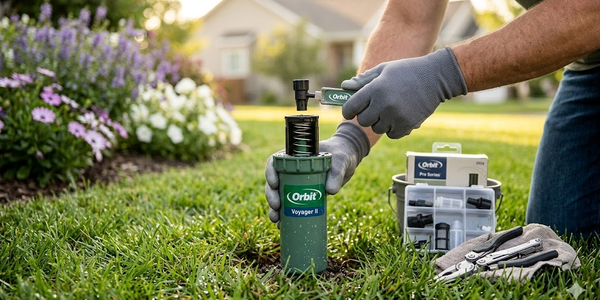
A broken Orbit sprinkler head doesn't wait for a convenient time. One morning you notice a geyser in the front yard, dry patches creeping across the lawn, or your water bill spiking for no obvious reason. A single broken sprinkler head can waste up to 25,000 gallons of water in a six-month season, so quick action matters, especially under Lubbock's water ordinances.
Some Orbit sprinkler head repairs are genuinely simple, things a homeowner can knock out in 20 minutes. Others look simple on the surface but point to deeper problems with valves, wiring, or system pressure that require a licensed irrigator to diagnose correctly. This guide helps you figure out which situation you're in and what to do next.
Need a repair handled now?Schedule professional sprinkler repair with M&M Sprinklers, serving Lubbock and West Texas since 1987.
Common Orbit Sprinkler Head Problems (And What They Actually Mean)
Before deciding whether to grab a shovel or grab your phone, match your symptoms to the likely cause. This diagnostic table is the same framework M&M's licensed irrigators use when they arrive on site.
Walking your property while the system runs is the fastest way to spot these issues. If you're seeing problems across multiple heads on the same zone, the root cause is almost always pressure-related or a line break, not the individual heads themselves. Our guide on fixing low water pressure covers that scenario, though most homeowners find that's where DIY troubleshooting hits a wall.
Why Orbit Head Repairs Go Wrong Without a Pro
Orbit sprinkler heads are widely available at big-box stores, which gives homeowners the impression that replacing one is no more complicated than changing a light bulb. Sometimes it is that simple. But practitioners on Reddit regularly point out that the real problem is misdiagnosis. A homeowner replaces a head that won't pop up, only to discover the new one does the same thing because the actual issue was a failing zone valve or a pressure drop from a cracked lateral line buried 12 inches underground.
West Texas creates its own set of complications. Lubbock's hard water packs mineral deposits into nozzle screens faster than most climates. Dust storms fill gear drives with silt. The alkaline, expansive clay soil shifts seasonally, cracking fittings and tilting risers that were perfectly level six months ago. A licensed irrigator who works in this environment every day recognizes these patterns immediately and doesn't waste time (or your money) chasing the wrong problem.
Practitioners in Lubbock-area Reddit threads also note that the busiest repair season brings long wait times from some contractors. M&M Sprinklers intentionally keeps crew numbers focused to maintain accountability, and their maintenance plan members get preferred scheduling and priority waitlist access during peak season.
What M&M Sprinklers Checks During an Orbit Head Repair Visit
When M&M's technicians come out for a sprinkler head repair, they don't just swap the broken part and leave. Every service visit follows a systematic checklist:
Run each zone through the controller (or manually at the valve) to check for additional problems you may not have noticed.
Inspect for leaks and coverage gaps across the entire system, not just the zone you called about.
Verify backflow preventer status and flag any compliance concerns (Lubbock requires annual backflow testing).
Confirm correct head-to-head coverage, checking that replacement heads match the precipitation rate, arc, and throw of existing heads on the zone.
Check system pressure and diagnose whether head-level symptoms point to valve, wiring, or mainline issues.
Recommend efficiency improvements where applicable, like upgrading to pressure-regulated nozzles or adding a wireless rain/freeze sensor.
This is why a professional visit often costs less in the long run than multiple trips to the hardware store. One correct diagnosis beats three wrong guesses. Contact M&M Sprinklers to schedule a repair across Lubbock, Levelland, Wolfforth, Plainview, and surrounding West Texas towns.
Identifying Your Orbit Sprinkler Head Type
Whether you're doing a quick fix yourself or describing the problem to a technician over the phone, knowing your head type speeds everything up. Orbit offers several types:
Spray Heads: Stationary pop-ups that deliver a fixed fan-shaped spray. Best for smaller, uniform areas like garden beds or narrow strips of grass.
Rotary Nozzles (Multi-Stream): Fit on spray head bodies but emit multiple rotating streams. More water-efficient and good for slopes.
Gear Drive Rotors: Pop-up sprinklers that rotate a single stream over medium to large areas. Quiet operation makes them popular for big lawns.
Impact Rotors: The ones with the distinct clicking sound. Durable, handle larger areas, and tolerate dirty water better than gear drives.
Look for model numbers stamped on the head itself or check your original system documentation. If you're calling M&M for service, snapping a photo of the broken head and texting or emailing it to contact@mmsprinklerslbk.com helps the technician arrive with the right parts on the truck. For a broader overview, check out this guide to irrigation head types.
Two Quick Fixes You Can Try Before Calling
Not every Orbit sprinkler head repair requires a service call. Two problems are genuinely simple to handle yourself, and trying them first can save you time and money.
1. Clean a Clogged Nozzle and Filter
Time: About 15 minutes | Tools: Flathead screwdriver, bucket
This is the single most common Orbit sprinkler problem, and it's especially frequent in West Texas where hard water deposits pack nozzle screens quickly.
Turn off the zone at your controller.
Pull up the pop-up riser and unscrew the nozzle counterclockwise.
Rinse the nozzle under clean water. Use a paperclip to clear stubborn debris, but don't widen the opening.
Pull out the small filter screen beneath the nozzle and rinse it. Replace it if it's damaged.
With the nozzle off, briefly turn on the zone to flush the line until water runs clear.
Reassemble, run the zone, and check the spray pattern.
For more detail, see how to fix a clogged sprinkler head. If cleaning doesn't restore the spray, the problem is likely pressure-related and needs professional attention.
2. Replace a Single Broken Pop-Up Head
Time: 20 to 30 minutes | Tools: Trowel, thread seal tape, replacement head
If a mower clipped the head or it cracked from a freeze, a straight swap is manageable for most homeowners.
Shut off water to the system and power down the controller.
Dig around the head (about 6 inches out) to expose the threaded fitting at the base.
Unscrew the broken head counterclockwise. Don't let dirt fall into the open line.
Inspect the riser below for cracks. If the riser is damaged, stop here and call a pro.
Wrap the threads of the new head with thread seal tape, screw it on hand-tight, and make sure it sits flush with the soil grade.
Backfill, run the zone, and check for leaks.
The catch most DIYers miss: the replacement head needs to match the thread size (usually 1/2 inch), riser height, and precipitation rate of the other heads on that zone. Mixing head types or GPM ratings on the same zone causes the uneven coverage and dry spots that started the problem in the first place. Practitioners on Reddit point this out constantly as the top DIY mistake. Our sprinkler head replacement guide walks through the selection process, or you can bring the old head to a local irrigation supply house for an exact match.
For Bermuda grass in Lubbock, a 4-inch pop-up usually works. Tall fescue or heavy thatch may need a 6-inch model.
When to Stop and Call a Licensed Irrigator
Simple clogs and single-head swaps are fair game for DIY. Everything below this line is where homeowners consistently get into trouble, and where a licensed irrigator saves time, money, and water.
Multiple heads failing on the same zone. This almost always points to a valve, solenoid, or pressure problem, not the heads themselves. Start with this valve troubleshooting guide to understand what's involved.
Persistent low pressure after cleaning heads and checking for visible leaks. Could be a cracked lateral line, a failing pump, or a partially closed backflow preventer.
Underground leaks. If your water bill spikes or you see soggy areas between heads, the break is in the line, not the head. See our broken sprinkler line repair guide for what's involved.
Wiring or controller issues. Zones that won't turn on, stations that run out of sequence, or a blank controller screen all require electrical diagnosis. Our sprinkler wire repair guide covers the scope.
Rotors that won't rotate after cleaning. In West Texas, dust storms pack gears with silt faster than almost anywhere else. If cleaning doesn't fix it and multiple rotors are stalling, the issue is usually zone pressure. More detail in our guide on rotating heads not spinning.
Coverage redesign. If you have chronic dry spots that no amount of head adjustment fixes, the original system layout may need new heads, relocated heads, or an additional zone. That's design work for a licensed professional.
Backflow preventer concerns. Lubbock requires annual backflow testing. If your sprinkler repair reveals a backflow issue, M&M has a Texas-licensed Backflow Prevention Assembly Tester (BPAT) on staff who can test, repair, and provide written certification.
Attempting complex repairs without proper diagnosis can turn a $150 service call into a $1,500 re-pipe. The licensed irrigators at M&M Sprinklers carry three irrigator licenses on staff and have been solving Lubbock irrigation problems since 1987.
How M&M's Maintenance Plans Prevent Orbit Head Failures
The best Orbit sprinkler head repair is the one you never need. M&M's maintenance plans are designed to catch small problems before they become emergency calls.
Gold Plan: Four scheduled visits per year. Each visit includes a full system inspection (up to 10 zones), head adjustment, leak checks, zone valve operation, seasonal runtime programming, and up to four free sprinkler heads per visit. Members also get 15% off repairs, preferred scheduling, and a wireless rain/freeze sensor installed.
Technology Plan: Everything in the Gold Plan plus live flow monitoring, automatic alerts for breaks and clogs, pressure regulation, efficient nozzles, Wi-Fi solar sync, zone-specific cycle/soak programming, and priority repair within 48 hours of an alert. The system essentially tells M&M when something breaks, often before you notice it.
Regular maintenance is especially important in Lubbock's climate. Hard water, sandy soil, and seasonal clay expansion all accelerate wear on sprinkler components. A maintenance plan catches a $5 clogged nozzle before it becomes a $200 emergency visit on a Saturday. For homeowners who want to check on things between visits, here are the signs your sprinklers need repair.
Quick Tips If You're Waiting for a Service Appointment
If you've already called M&M and your appointment is a day or two out, here's how to minimize damage in the meantime:
Turn off the affected zone at your controller so it doesn't run on schedule and waste water.
If there's a geyser, shut off the system entirely at the backflow preventer or main valve.
Don't dig into the line trying to find a leak. You may create a bigger problem or disturb utility lines.
Take photos and video of the problem while the system is running. This helps the technician arrive prepared with the right parts.
Note how many zones are affected. One zone with weak pressure is different from the whole system losing pressure, and that distinction helps M&M prioritize and diagnose faster.
Why Lubbock Homeowners Choose M&M for Sprinkler Repairs
M&M Sprinklers has been the longest-running irrigation company in Lubbock, operating locally since 1987. A few things set them apart for Orbit sprinkler head repair and broader system work:
Three licensed irrigators on staff who understand West Texas soil, water conditions, and city codes.
In-house backflow testing with a Texas-licensed BPAT, no subcontractors needed.
Smart controller expertise, including Hunter X2 with Hydrawise Wi-Fi management for weather-based automation and remote monitoring.
Dual specialty: M&M also employs two ISA Certified Arborists and a TDA chemical applicator, making them one of the only companies in the region that can coordinate irrigation, tree health, and soil health under one roof.
4.9-star rating on Google across 318+ reviews.
Transparent process: technicians walk you through what they find, explain costs up front, and provide repair estimates before starting work.
They serve Lubbock and surrounding communities including Levelland, Wolfforth, Shallowater, Plainview, Littlefield, Post, Brownfield, Floydada, and New Deal.
Ready to get your system fixed right? Call (806) 794-1300 or visit mmsprinklerslbk.com to schedule a repair.
Frequently Asked Questions
How do I know if my Orbit sprinkler head is broken?
Common signs include puddles of water around the base, a geyser-like spray, the head not popping up or retracting, or dry patches in the lawn. Run the system and walk each zone to confirm. If the problem is limited to one head, it may be a simple fix. If multiple heads on a zone are affected, call a licensed irrigator.
Why is my Orbit sprinkler head not rotating?
For rotor-style heads, failure to rotate is usually caused by debris in the gear drive, low water pressure, or internal mechanical failure. Try cleaning the filter and nozzle first. In West Texas, dust storms pack gears with silt faster than most climates. If cleaning doesn't fix it, the head needs replacement, or the zone has a pressure problem that requires professional diagnosis.
Can I replace just the nozzle on an Orbit sprinkler?
Yes. If the body is in good condition, you can unscrew the old nozzle and replace it. Make sure the replacement nozzle has the same GPM rating and arc as the original to maintain even coverage across the zone.
How do I pick a compatible replacement for my Orbit head?
Match the thread size (usually 1/2 inch), riser height, nozzle GPM, and arc pattern. Bring the old head to a local irrigation supply store if you're unsure. Orbit heads share standard threading with Hunter, Rain Bird, and other major brands, so cross-brand swaps work as long as you verify the precipitation rate matches. One YouTube walkthrough from a professional irrigator demonstrated that an Orbit 54070 rotor and a Hunter PGP can be swapped on the same zone without coverage issues, but only when both are fitted with nozzles delivering the same GPM at the same pressure.
How much does professional Orbit sprinkler head repair cost in Lubbock?
Costs vary depending on the issue. A simple head replacement is on the lower end, while diagnosing and repairing underground leaks or valve problems costs more. M&M Sprinklers provides estimates before starting work so there are no surprises. Call (806) 794-1300 for a quote.
How much water does a broken sprinkler waste?
A single broken head can waste thousands of gallons per month. A leak the size of a dime can waste over 6,300 gallons a month, while a geyser from a snapped head can waste hundreds of gallons in a single watering cycle. Prompt repair is important for both your water bill and compliance with Lubbock's water ordinances.
Why is one sprinkler zone not working?
If an entire zone is failing, the problem is almost never the individual heads. It's typically a faulty zone valve, a damaged wire (see sprinkler wire repair troubleshooting), or a controller issue. This type of repair requires a licensed irrigator with the tools and training to diagnose electrical and hydraulic problems.
When should I call a professional for sprinkler repair?
Call a professional if you suspect an underground leak, if an entire zone isn't working, if you have persistent low pressure, if the problem involves wiring or your controller, or if you've tried a basic DIY fix without success. M&M Sprinklers handles all of these across Lubbock and West Texas. Schedule a repair here.


Comments