Why Is My Backflow Device Leaking? 7 Causes (2026)
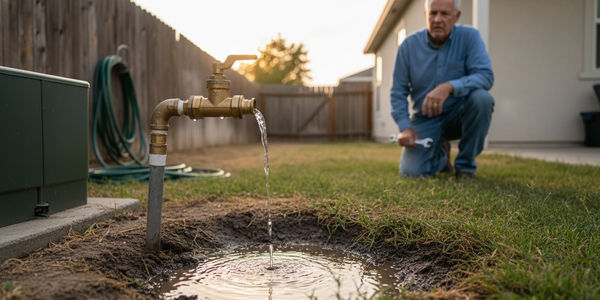
Noticing a puddle of water around your backflow preventer can be alarming. This essential plumbing device protects your clean water from contamination, so a leak is something you shouldn’t ignore. The answer to the question, “why is my backflow device leaking?” is usually simple: internal components like seals or springs are worn out, small debris is stuck inside, or the device is reacting to pressure changes or freeze damage. These are all common, fixable issues.
This guide breaks down the most frequent causes, from simple debris to worn out parts, helping you understand what’s happening with your system. For more how‑tos and seasonal tips, visit our blog.
Common Causes for a Leaking Backflow Preventer
A backflow preventer is a mechanical device with seals, springs, and valves. Like any piece of equipment, its parts can wear out or be affected by outside forces. Let’s look at the most common culprits.
Internal Wear, Debris, and Corrosion
Often, the reason why your backflow device is leaking comes from inside the unit itself. Over time, the internal components simply wear down from normal use.
Debris or Sediment: This is one of the most typical reasons for a backflow preventer to leak. Tiny particles of dirt, sand, or mineral buildup can get lodged on a valve’s sealing surface, creating a small gap that allows water to escape. This debris can enter the water line after events like mainline repairs or nearby construction.
Worn O-Rings and Gaskets: Inside every backflow device are rubber O-rings and gaskets that create watertight seals. Over the years, these components can break down, crack, or lose their elasticity. In fact, worn rubber seals are a leading cause of backflow leaks.
Worn Diaphragms or Seals: Larger rubber components, called diaphragms, are crucial in certain types of backflow preventers. Exposure to pressure changes and temperature swings can cause them to crack or lose pliability, resulting in leaks, especially from the top vent of a Pressure Vacuum Breaker (PVB).
Worn Springs: Metal springs are responsible for snapping check valves shut. These springs can weaken and lose their stiffness after thousands of cycles.
Corrosion of Internal Parts: Moisture and certain water conditions can cause metal parts like springs, screws, and valve bodies to corrode. This rust and deterioration can weaken components, causing them to fail and leak.
Pressure Problems and Water Dynamics
Sometimes, a leak isn’t a sign of a broken part but a reaction to pressure changes in your plumbing system.
Pressure Fluctuations: A sudden spike in water pressure, often called a water hammer, can force a backflow preventer to spit water from its vent or relief port. This can happen when appliances like washing machines abruptly shut off the water flow. Chronically high water pressure can also put constant stress on the device, leading to damage.
Thermal Expansion: When water in a closed system (like your home’s plumbing) is heated, it expands. If a backflow device prevents this expanded water from flowing back to the city main, pressure builds up until the device’s relief valve opens to release it. This is a very common reason for an RPZ backflow preventer to leak intermittently.
Downstream Valve Closures: Similar to a water hammer, when a valve downstream from the backflow preventer closes suddenly (like an automatic sprinkler valve), it can cause a pressure surge that makes the relief valve discharge briefly. If this keeps happening, our team can help with sprinkler repairs to eliminate the cause.
Physical Damage and Installation Issues
The physical state of the device and how it was installed play a huge role in its performance. Answering “why is my backflow device leaking” can sometimes be as simple as looking at the device itself.
Freeze Damage and Cracked Components:Water expands by about 9% when it freezes, which can generate enough force to crack the metal or plastic body and bonnet (cover) of the device. This is a very common failure for irrigation backflow preventers that were not properly winterized. A hairline crack might only leak when the system is pressurized.
Improper Installation: A backflow preventer must be installed according to manufacturer and plumbing code guidelines. If the device is installed at the wrong angle, forced into misaligned pipes, or not properly supported, the stress can cause leaks at its connections. Consider professional installation to ensure it’s set up correctly from the start.
Relief Valve Misalignment: In an RPZ (Reduced Pressure Zone) assembly, the internal parts of the relief valve must be perfectly aligned to create a seal. If they are skewed due to improper reassembly or a defect, the valve will constantly drip or spit water.
Leaks From Attached Parts
Occasionally, the leak isn’t coming from the backflow preventer’s main body but from one of its smaller, attached components.
Test Cock Leaks: The small valves used for annual testing, known as test cocks, can leak if they are left slightly open or if their internal O-rings fail.
Ball Valve Packing Leaks: The shutoff valves on either side of the backflow device have packing material around their handles to prevent leaks. If this packing is loose or worn, water can drip from underneath the handle.
Union Gasket Leaks: Many backflow devices are connected to the plumbing with large fittings called unions, which use a rubber gasket to seal the joint. A loose union or a failed gasket will cause a drip at the connection point.
Other Important Factors
Two final points are crucial for understanding why your backflow device is leaking.
Device Type Determines the Leak Source: Where the water is coming from is a big clue. RPZ (Reduced Pressure Zone): Almost always leaks from the relief valve at the bottom. This means an internal check valve is fouled or there’s a pressure issue.PVB (Pressure Vacuum Breaker): Leaks or sprays water from the top vent or bonnet. This points to a problem with the air inlet valve or internal float.DCVA (Double Check Valve Assembly): Has no relief port. Leaks will come from fittings, test cocks, or a crack in the body.
Lack of Maintenance: Nearly all the issues above can be prevented or caught early with routine maintenance. Jurisdictions, including those in Texas, require annual backflow testing by a certified professional. During these checks, a technician can clean out debris, replace aging seals, and spot potential problems before they lead to a major leak.
Getting Your Leaking Backflow Device Fixed
While understanding the potential causes is helpful, repairing a backflow preventer requires specialized knowledge and tools. Because these devices are critical for water safety, repairs and testing should be handled by a licensed professional.
For homeowners in Lubbock and the greater West Texas area, the certified team at M&M Sprinklers has decades of experience diagnosing and repairing all types of backflow assemblies. We can quickly identify the source of the leak and perform the necessary repairs to get your system back in compliance and working perfectly. Don’t let a small drip turn into a big problem. Schedule your backflow test or repair service today.
Frequently Asked Questions
1. Why is my backflow device leaking from the relief valve?
If you have an RPZ device, a leak from the bottom relief valve is its way of saying something is wrong internally. It usually means debris is stuck in the first check valve or that pressure fluctuations (like thermal expansion) are causing it to discharge. It needs to be inspected by a certified tester.
2. Can I fix a leaking backflow preventer myself?
Due to the critical safety function of these devices, most municipalities require that any testing or internal repairs be performed by a licensed Backflow Prevention Assembly Tester (BPAT). Simple fixes like tightening a packing nut on a shutoff valve may be okay, but internal work should be left to a professional.
3. Is a dripping backflow preventer an emergency?
A small, intermittent drip is usually not an emergency, but it should be addressed promptly to avoid water waste and potential fines. A steady or gushing leak, however, could indicate a serious problem like a cracked body and should be looked at immediately.
4. Why does my sprinkler backflow preventer leak when the system turns on?
This is common with PVB (Pressure Vacuum Breaker) devices. A small spurt of water from the top vent when the zone first turns on can be normal. However, if it continuously leaks or sprays while the zone is running, the internal seals or poppet are likely worn or fouled with debris.
5. What causes a backflow preventer to leak after a freeze?
Water expands when it freezes, and this expansion can easily crack the brass or plastic housing of the device. If your backflow preventer starts leaking right after the first thaw of the season, freeze damage is the most likely cause. Proper winterization is the best prevention.
6. How can I prevent my backflow device from leaking in the future?
The single best way to prevent leaks is with regular, professional maintenance. An annual test and inspection will catch worn parts before they fail, clear out sediment, and ensure everything is functioning correctly. For irrigation systems in West Texas, proper winterization is also essential. A maintenance plan can make this process hassle free. Learn more about keeping your system healthy with M&M Sprinklers.


Comments