
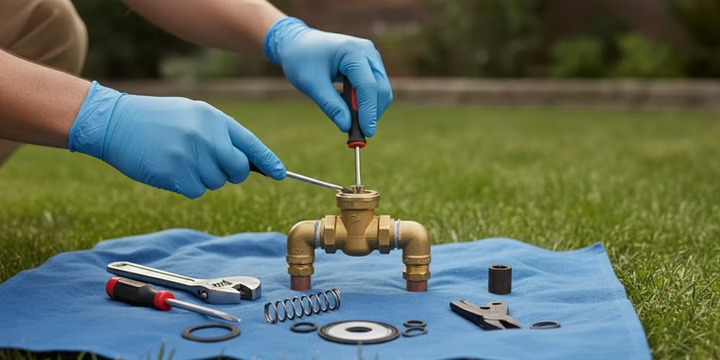
Your sprinkler system’s backflow preventer is a small device with a big job. It protects your family’s drinking water from contamination by ensuring irrigation water can’t flow backward into your home’s plumbing. The most common type, a pressure vacuum breaker (PVB), is reliable but can wear out over time. When you see leaks or drips, it’s time to look into a pressure vacuum breaker repair.
This guide walks you through everything you need to know, from diagnosing common leaks to understanding specific parts and procedures. Whether you’re a hands on homeowner or just want to know what to expect when you call a professional, we’ve got you covered.
Diagnosing a Leaky Pressure Vacuum Breaker
A leaking PVB is the most obvious sign you need a repair. But where the leak is coming from tells you a lot about the problem. Diagnosing the issue is the first step in any successful pressure vacuum breaker repair.
Leaks from the Top Vent Cap
The most common leak comes from the plastic cap on top of the PVB. If you see a constant drip or spray of water from this vent while the system is running, it usually points to a problem with the internal air inlet valve, also known as the poppet.
Common causes include:
- Debris: A tiny piece of sand or grit can get stuck on the sealing surface, preventing a watertight seal.
- Worn Seals: Rubber seals and o rings become brittle and crack over time, especially after years in the Texas heat. A worn seal is a very common reason for needing a pressure vacuum breaker repair.
- Cracked Parts: Freeze damage is a major culprit. If water was left in the PVB during a hard freeze, the expanding ice can crack the plastic bonnet (the top cover) or the internal float.
A small spurt of water when the system first turns on is normal. However, a continuous leak means it’s time for a closer look.
Leaks Around the Base or Pipes
If you notice water pooling around the base of the unit or dripping from the pipe connections, the problem might be simpler. Check that the threaded connections to the ball valves are tight. If the leak comes from the main bronze body of the PVB itself, it likely has a crack from freeze damage. Unfortunately, a cracked metal body is not repairable, and the entire device must be replaced.
Failed Backflow Test (Internal Leak)
Sometimes a PVB can fail without any visible drips. Local regulations in Lubbock require periodic testing by a certified technician to ensure the device is working correctly. During a test, a technician uses a gauge to verify the internal check valve holds pressure. If it fails, there’s an internal leak, and a pressure vacuum breaker repair is needed to bring the system back into compliance. Learn more about our team’s certifications.
Common Pressure Vacuum Breaker Repair Jobs
Once you’ve diagnosed the leak, the repair can often be straightforward. Many common PVBs, like the Wilkins 720A, were designed to be easily serviced.
Wilkins 720A Backflow Repair
The Wilkins 720A is a very common pressure vacuum breaker model found in Lubbock area sprinkler systems. Repairing this unit typically involves replacing its internal components. The good news is that you don’t need special tools, just a few basic hand tools like a screwdriver and a wrench.
The repair process involves shutting off the water, opening the top bonnet, and accessing the poppet and check valve. The key is to inspect the rubber seals and plastic parts for wear or damage. While most parts can be swapped out, it’s important to know that the brass valve seat is part of the main body and cannot be replaced. If the seat is damaged, the entire PVB needs to be replaced. When that’s the case, ask about sprinkler system installation to get a properly sized, code‑compliant replacement.
Floating Vent Replacement
That leaky top vent we talked about is often caused by a faulty floating vent, or poppet. This plastic component floats up to seal the vent when the system is pressurized. When it wears out, it can no longer create a tight seal.
A floating vent replacement is a targeted fix for this issue. The process involves unscrewing the bonnet, lifting out the old poppet assembly, and dropping in a new one. This simple repair often solves the most common type of PVB leak. It’s critical to use the correct manufacturer approved part to ensure the valve opens at the right pressure, which is typically when the internal pressure drops to 1 PSI above the surrounding atmosphere.
Using a Pressure Vacuum Breaker Rebuild Kit
For a more thorough overhaul, a pressure vacuum breaker rebuild kit is the best solution. Instead of replacing just one part, a rebuild kit provides all the common wear and tear items needed to completely refurbish the device.
A typical kit includes:
- A new poppet assembly
- A new check valve spring
- All necessary rubber discs and seals
- All bonnet and body o rings
O ring replacement is a crucial part of the rebuild. These small rubber rings provide the watertight seals inside the PVB. Over 5 to 10 years, they can dry out and crack, leading to leaks. A full rebuild with fresh o rings can extend the life of your backflow preventer for many years, making it a cost effective alternative to a full replacement. This kind of proactive care is a smart part of any long‑term sprinkler maintenance plan.
The Right Way to Start Up Your System (And Avoid Repairs)
Did you know you can damage your PVB just by turning it on incorrectly? Following the correct startup procedure is essential for preventing water hammer, a sudden pressure surge that can crack internal parts.
The correct ball valve position during startup follows a simple sequence:
- Start Closed: Make sure both the inlet (upstream) and outlet (downstream) ball valve handles are in the closed position, perpendicular to the pipe.
- Open Inlet SLOWLY: Turn the handle on the inlet valve very slowly to let water gradually fill the PVB. You may hear air and see a small sputter of water from the top vent, which is normal.
- Wait a Moment: Once the inlet valve is fully open (handle parallel to the pipe), wait for the sputtering to stop as the internal float seals.
- Open Outlet SLOWLY: Slowly open the outlet valve to allow water to fill the rest of your sprinkler lines without causing a pressure spike.
After winterizing your system, you may find the valve handles left at a 45 degree angle. Be sure to close them fully before starting this sequence.
When to Call a Professional for Your Pressure Vacuum Breaker Repair
While some homeowners are comfortable performing these repairs, a pressure vacuum breaker is a critical safety device. If you’re not sure what you’re doing, or if a simple fix doesn’t solve the problem, it’s best to call a licensed professional.
A certified technician can accurately diagnose the issue and ensure the correct parts are used. More importantly, after any pressure vacuum breaker repair, the device should be tested to confirm it meets safety standards. Here in Lubbock, M&M Sprinklers has licensed Backflow Prevention Assembly Testers (BPATs) on staff who can handle everything from diagnosis and repair to the official certification test.
Don’t let a small drip turn into a big problem. If you need a reliable, professional pressure vacuum breaker repair in Lubbock, our team is ready to help keep your water safe and your system compliant.
Frequently Asked Questions about Pressure Vacuum Breaker Repair
1. Why is my pressure vacuum breaker leaking from the top? A continuous leak from the top vent is usually caused by debris inside the unit, a worn out rubber seal on the poppet (float), or a crack in the plastic bonnet, often from freeze damage.
2. Is pressure vacuum breaker repair a DIY job? For those with basic plumbing skills, replacing a poppet or using a rebuild kit can be a DIY project. However, since it’s a safety device, hiring a licensed professional is recommended to ensure the repair is done correctly and the device is properly tested afterward.
3. How often should a PVB be rebuilt? As a general rule of thumb, consider rebuilding your PVB every 5 years or so as preventative maintenance. The rubber and plastic parts degrade over time, and a proactive rebuild can prevent unexpected leaks.
4. What happens if I open the shut off valves too quickly? Opening the inlet valve too fast creates a pressure surge called water hammer, which can slam the internal components and even crack the plastic poppet or bonnet. Always open the valves slowly.
5. Is it cheaper to repair or replace a pressure vacuum breaker? If the metal body of the PVB is in good condition, using a rebuild kit is much more affordable than replacing the entire unit. A rebuild kit might cost between $20 and $40, while a new assembly can be $100 or more plus installation.
6. Does my PVB need to be tested after a repair? Yes. Any time a backflow preventer is repaired, it should be tested by a licensed backflow tester to certify that it is functioning correctly and protecting your water supply. For certified testing and repair, schedule your backflow testing in Lubbock with M&M Sprinklers.