
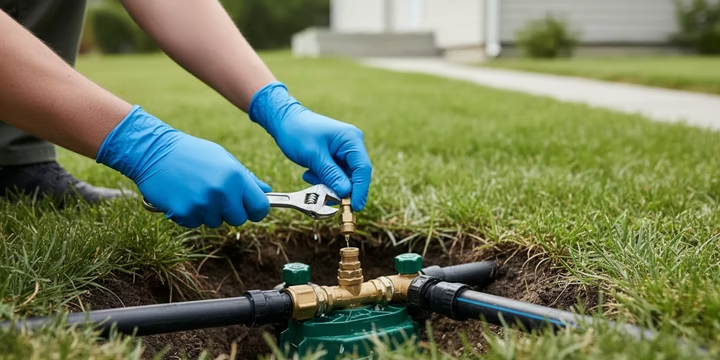
A mysterious puddle in your yard, a zone that won’t shut off, or a water bill that suddenly doubles. These are signs of a failing sprinkler valve, and they’re problems Lubbock homeowners deal with regularly. West Texas heat, mineral-heavy water, and late-season freezes all take a toll on valve components.
M&M Sprinklers has been diagnosing and repairing sprinkler valves in Lubbock since 1987. With 3 licensed irrigators on staff, a 4.9-star rating across 318 Google reviews, and transparent repair pricing, we fix valve issues fast so you’re not wasting water or money.
Call (806) 794-1300 to schedule your sprinkler valve repair today. We serve Lubbock and surrounding West Texas communities including Wolfforth, Shallowater, Levelland, Littlefield, Post, Brownfield, Plainview, New Deal, New Home, and Floydada.
How to Spot a Leaky Sprinkler Valve
Not sure if a valve is actually your problem? Here are the signs our technicians look for during every service call:
- Soggy spots or puddles. Patches of constantly wet grass or standing water around a specific area, even without recent rain.
- Water on pavement. Water pools on your driveway or sidewalk long after the sprinklers have finished their cycle.
- Low water pressure in one zone. Heads that gurgle or mist instead of spraying properly. If this sounds familiar, check out this guide on signs of low water pressure.
- A zone that won’t turn off. After your system is supposed to be off, one zone keeps running. This is a classic sign of a valve stuck open.
- An unexplained spike in your water bill. According to the EPA’s WaterSense program, household leaks can waste nearly 10,000 gallons of water per year, and irrigation leaks are a major contributor. A leak the size of a pencil tip can waste thousands of gallons in a single month.
- Moss or algae growth. Unusual green or slimy growth on the ground or around the valve box, caused by constant moisture.
Practitioners on Reddit frequently mention that a single stuck valve ran up one homeowner’s water bill by over $200 in a month before they noticed. In Lubbock, where water rates continue to climb, catching valve problems early matters.
Don’t wait for a bigger problem.Schedule a diagnostic visit or call us at (806) 794-1300.
What Goes Wrong with Sprinkler Valves (And How We Fix Them)
When you call M&M Sprinklers for a valve repair, our licensed irrigators follow a systematic process: shut off the water, open the valve, identify the failed component, and repair or replace it on the spot. Here’s what we typically find.
Debris Clogging the Valve
Lubbock’s sandy soil and mineral-heavy water mean debris regularly works its way into valve bodies. A tiny piece of grit can prevent the diaphragm from sealing, causing a slow leak that gets worse over time.
Our technicians disassemble the valve, flush the body, clean the diaphragm, and reassemble it. This simple cleaning often solves the problem in minutes. If debris is a constant issue, you might also have a clogged irrigation line further upstream that needs clearing.
Worn O-Rings
O-rings are small rubber gaskets that create seals around the solenoid and under the valve top. West Texas heat accelerates rubber degradation, causing these seals to crack and dry out faster than in milder climates. A broken O-ring is one of the most frequent causes of sprinkler valve leaks, and it’s a quick, inexpensive fix our techs handle on the spot.
Failed Solenoid
The solenoid is the electrical component that tells the valve when to open and close. When it fails, the valve might get stuck open or refuse to activate at all. For a deeper look at diagnosing this specific part, see this guide on valve solenoid problems.
Replacing a solenoid is a straightforward repair. Our technicians disconnect the wires, swap the unit, and use waterproof wire connectors for a lasting connection. Replacement solenoids typically cost between $15 and $30 for the part itself.
Faulty Wiring
A zone that won’t turn on or works intermittently often points to a bad electrical connection rather than the valve itself. Moisture, corrosion, digging, and even rodents can damage wiring over time.
Diagnosing electrical issues requires tracing wires back to the controller with a multimeter, which is where professional experience saves significant time and frustration. Our licensed irrigators can pinpoint the fault quickly, often during the same service visit.
Torn or Warped Diaphragm
The diaphragm is the flexible rubber disc inside the valve that stops the water flow. It’s the hardest-working part, and it eventually wears out. According to the Irrigation Association, diaphragm failure is among the top causes of residential irrigation system leaks.
Replacing the diaphragm requires opening the valve, removing the old disc, and installing a new one in the correct orientation. Our technicians carry manufacturer-specific parts for Hunter, Rain Bird, Toro, and Irritrol valves.
Cracked Valve Top
The valve top (or bonnet) can crack from freeze damage, age, or over-tightening. In West Texas, late-season cold snaps are a common culprit. If you’re preparing for freezing temperatures, this guide on protecting your system from freezing is worth a read.
If water seeps from under the screws or from a visible crack on the lid, we can often replace just the top without replacing the entire valve, saving you money on parts and labor.
Full Sprinkler Valve Rebuild: When Multiple Parts Are Worn
Sometimes a single part swap isn’t enough. If multiple internal components are worn, the smarter approach is a complete valve rebuild rather than replacing parts one at a time.
What a Valve Rebuild Involves
A rebuild means disassembling the valve completely, inspecting every component, and replacing all the wear items at once: the diaphragm, spring, all O-rings, and sometimes the solenoid. The valve body and its plumbing connections stay intact, but everything inside gets refreshed.
Manufacturer rebuild kits typically cost between $8 and $25 for parts. That’s a fraction of what a full valve replacement costs when you factor in PVC work and labor.
When Our Technicians Recommend a Rebuild
A rebuild is the right call when:
- The valve is more than 5 to 7 years old and has never been serviced
- A single part was replaced recently but the leak returned
- Multiple symptoms appear at once (slow leak plus weak pressure plus a buzzing solenoid)
- The valve body is still in good shape with no cracks
One irrigation technician on a YouTube walkthrough explained it well: “If I open a valve and the diaphragm is torn, I already know the O-rings are just as old. I rebuild the whole thing. It takes five extra minutes and saves the customer a second service call.” That’s exactly how our team approaches it. A rebuild extends the life of a functioning valve body by years and avoids the cutting, gluing, and PVC work that a full replacement demands.
Emergency Sprinkler Valve Repair in Lubbock
Not every valve failure gives you time to plan. Sometimes you walk outside to find water gushing across the yard, flooding a flower bed, or streaming down the sidewalk. Knowing what to do immediately can save your landscape and prevent hundreds of dollars in wasted water.
How to Tell It’s an Emergency
A slow leak creates a damp spot over days or weeks. An emergency is immediate:
- Water is visibly flowing or spraying even though the system is off
- A single zone is running nonstop and won’t respond to the controller
- Water is pooling rapidly near the valve box or your home’s foundation
What to Do Right Now
Step 1: Shut off the main irrigation supply valve. This is the fastest way to stop everything. It’s usually near the water meter, the backflow preventer, or where the irrigation line splits from the main water supply. For the full process, this emergency repair guide walks through each step.
Step 2: Turn off the controller. Switch it to the “off” or “rain” position to prevent it from sending signals that could reopen valves once pressure returns.
Step 3: Call M&M Sprinklers at (806) 794-1300. Once the water is stopped, we can schedule a repair visit to diagnose and fix the underlying cause. Shutting off the supply valve buys you time until we arrive.
Common Causes of Emergency Valve Failures
Practitioners on Reddit have shared that the most common “emergency” they encounter is actually a piece of gravel stuck in the valve seat after a mainline repair or new installation. Our technicians see this regularly in Lubbock, and the fix takes minutes once the valve is open.
Preventing Future Emergencies
Once the immediate problem is fixed, there are steps to prevent the next crisis:
- Install a master valve on the main irrigation line. A master valve closes the supply whenever the controller is idle, so a single stuck zone valve can’t flood your yard overnight. Many smart controller setups support master valve wiring.
- Add flow monitoring. M&M’s Technology Plan includes live flow monitoring that detects abnormal water usage and sends alerts to your phone before a small leak becomes a flood.
- Sign up for a maintenance plan. Most emergency failures develop from wear that could have been caught during a seasonal checkup. Our Gold Plan includes four scheduled visits per year with complete zone-by-zone inspections.
When Repair Isn’t Enough: Complete Valve Replacement
If the valve body itself is cracked, or if a full rebuild doesn’t stop the leak, the entire valve needs to be replaced. This is a more involved job that requires cutting and gluing PVC pipes or unscrewing threaded fittings, matching the new valve to the correct size, and ensuring proper flow direction.
This is where hiring a professional pays for itself. Incorrect valve installation can cause leaks, pressure problems, or zone failures that cost more to fix than the original repair. If your system is older or has recurring problems across multiple zones, it may be worth considering a professional irrigation redesign and installation to improve performance and long-term reliability.
Water Pressure Problems and Overall System Health
Sometimes the valve isn’t the root cause, but a symptom of a larger issue.
High Water Pressure Damages Valves
If your home’s water pressure is too high, it puts constant strain on valve components, causing them to wear out and leak prematurely. The Irrigation Association recommends residential irrigation systems operate between 30 and 50 PSI at the heads. Our technicians measure your system’s pressure during every checkup and can install a pressure regulator if needed.
Schedule a seasonal maintenance checkup to keep pressure in range. This one adjustment can prevent a lot of future sprinkler valve repair problems.
Why Lubbock Homeowners Choose M&M Sprinklers for Valve Repair
Sprinkler valve repair is one of the most common service calls we handle, and it’s a job where experience makes a real difference. Here’s what sets M&M apart:
- Founded in 1982, serving Lubbock since 1987. Nearly four decades of local experience means we know the specific challenges West Texas water quality, soil, and climate create for irrigation systems.
- 3 licensed irrigators on staff. Every technician who works on your system is qualified to diagnose and repair it properly the first time.
- 4.9-star Google rating on 318 reviews. Our customers consistently praise our communication, honesty, and quality of work.
- Transparent pricing. We’re upfront about costs before work begins. See our repair cost guide for typical price ranges.
- Maintenance plans that prevent problems. Our Gold Plan includes four annual visits with zone-by-zone inspections, seasonal programming, up to four free sprinkler heads per visit, and 15% off repairs. Our Technology Plan adds live flow monitoring with automatic leak alerts and priority service within 48 hours.
- Hunter X2/Hydrawise expertise. We install and service smart controllers with Wi-Fi management, weather-based programming, and flow sensors for modern, efficient irrigation.
- One vendor for irrigation and tree care. With 2 ISA Certified Arborists on staff alongside our irrigation team, we can manage the relationship between your water system, soil health, and trees from a single point of contact.
Local Reddit threads about Lubbock sprinkler services frequently highlight how hard it can be to get a contractor during peak season. Because M&M intentionally keeps our team focused, maintenance plan members get preferred scheduling and priority waitlist access when demand is highest.
Service Area
M&M Sprinklers provides sprinkler valve repair and full irrigation services throughout Lubbock and the surrounding West Texas region, including:
Wolfforth, Shallowater, New Deal, Levelland, Littlefield, Post, New Home, Brownfield, Floydada, and Plainview.
If you’re within 20 to 90 miles of Lubbock, give us a call. We likely serve your area.
Schedule Your Sprinkler Valve Repair Today
Whether you have a slow leak, a zone that won’t turn off, or an emergency with water gushing across your yard, M&M Sprinklers can diagnose the problem and fix it right.
Phone: (806) 794-1300Email: contact@mmsprinklerslbk.comAddress: 7335 82nd Street, Suite 10, Lubbock, TX 79424****Hours: Monday through Friday, 8:00 AM to 5:00 PM
Book your repair online or call us directly. If you’re dealing with an active leak, shut off your main irrigation supply valve and call us right away. We’ll get you on the schedule.
If your property is also due for annual backflow testing, we can bundle that with your valve repair visit to save you time and stay compliant with city requirements.
Frequently Asked Questions About Sprinkler Valve Repair
1. How much does a professional sprinkler valve repair cost in Lubbock? The cost depends on the issue. A simple repair like replacing a solenoid or diaphragm is relatively inexpensive, while a full valve replacement involving PVC work costs more. M&M Sprinklers is upfront about pricing before work begins. See our sprinkler valve repair cost guide for typical price ranges.
2. Can I fix a sprinkler valve myself? Some repairs like cleaning debris from a valve are straightforward. But diagnosing the actual cause, especially with electrical issues or multiple failing components, often requires professional tools and experience. A misdiagnosis can lead to repeat failures and more expense. If you’re unsure, calling a licensed irrigator saves time and money in the long run.
3. What is the difference between a valve repair, a rebuild, and a replacement? A repair targets a single failing component (like a torn diaphragm or bad solenoid). A rebuild replaces all internal wear parts at once while keeping the existing valve body. A replacement means removing the entire valve and installing a new one, which involves PVC plumbing work. Our technicians recommend the most cost-effective option based on what they find.
4. Why is only one of my sprinkler zones not working? This almost always points to an issue with that specific zone’s valve, solenoid, or wiring. The problem is isolated to the components that control that single station. Our techs can diagnose it by running each zone individually during a service visit.
5. How long do sprinkler valves typically last? A well-maintained sprinkler valve can last 10 to 15 years or more. However, Lubbock’s hard water, high summer temperatures, and occasional freezes can shorten that lifespan. A professional rebuild around the 7 to 10 year mark can extend valve life significantly.
6. What is the most common reason a sprinkler valve leaks? The most common culprits are debris stuck inside the valve or a worn-out rubber diaphragm. Both prevent the valve from sealing completely when it’s supposed to be closed.
7. What should I do if a valve breaks and water won’t stop flowing? Shut off the main irrigation supply valve immediately, then turn off your controller. Once the water stops, call M&M Sprinklers at (806) 794-1300. Shutting off the supply buys you time until we can get there and make the repair.
8. Should I replace all my valves at once? If one old valve fails and the others were installed at the same time, it can be cost-effective to rebuild or replace them all during one visit. This prevents another service call when the next aging valve gives out. If you need advice on a larger system update, M&M Sprinklers specializes in irrigation system upgrades and renovations for Lubbock properties.
9. Do you offer maintenance plans to prevent valve failures? Yes. Our Gold Plan includes four scheduled maintenance visits per year with complete zone-by-zone inspections, seasonal programming adjustments, up to four free sprinkler heads per visit, and 15% off repairs. Our Technology Plan adds live flow monitoring with automatic leak and clog alerts. Learn more about our maintenance plans.