
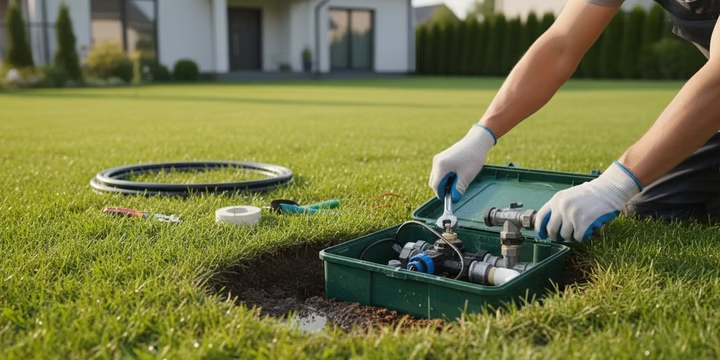
When a sprinkler zone stops working, the culprit is often a faulty valve. It’s a common headache for homeowners, and the first question is always about cost. Nationally, the sprinkler system valve repair cost typically ranges from $75 to $300, with most homeowners paying between $125 and $250 for a professional to handle the job. The final price depends on several factors, from how deep the valve is buried to what time of year you call.
This guide breaks down everything that affects your bill: average prices, hidden fees like travel charges and diagnostic costs, seasonal pricing shifts, and whether you should tackle it yourself or bring in a pro.
If you’re dealing with a valve issue right now in Lubbock or West Texas, M&M Sprinklers has been handling these repairs since 1987 and can give you an accurate local quote.
The Average Sprinkler System Valve Repair Cost
Nationally, having a single sprinkler valve repaired or replaced by a professional typically costs between $75 and $300. Most homeowners find their final bill lands somewhere in the $125 to $250 range for a standard job. This total price usually includes both the new part and the technician’s labor.
That said, this average doesn’t account for add on costs that many homeowners don’t see coming, like travel fees, diagnostic charges, or the extra labor needed to locate a buried valve. Those line items can push the total higher.
The Costs You Might Not Expect
Before a technician even touches a wrench, there are often charges that don’t show up in simple cost averages. Understanding these helps you avoid sticker shock when the invoice arrives.
Travel or Callout Fee
Most irrigation companies charge a trip fee, service call fee, or minimum charge just to show up. This typically runs $50 to $100, though companies serving rural areas or properties far from their base may charge more. Some companies roll this fee into the total repair cost if you approve the work. Others charge it separately regardless.
Practitioners on Reddit report that many companies in their area charge a flat diagnostic or trip fee of $75 to $95 before any repair work begins. One homeowner noted that calling a company closer to their neighborhood saved them nearly $40 in travel charges alone. It’s worth asking upfront whether the callout fee gets applied toward the repair total or stands as a separate charge.
Diagnosis and Testing Cost
A technician doesn’t always know which valve is bad the moment they arrive. Diagnosing the problem involves running each zone, checking electrical signals to solenoids, and sometimes using specialized equipment. This diagnostic work can cost $50 to $150 depending on system complexity. For larger systems with many zones, troubleshooting can take 30 to 60 minutes before the actual repair even starts.
If wiring issues are involved, a technician may need to trace underground wires with a locating device, adding time and cost. Some companies include basic diagnostics in their service call fee. Others bill it separately. Always ask.
Locating a Buried Valve
Older systems, especially those installed before GPS mapping became common, often have valves with no visible box or marker. Locating a buried valve can cost an additional $50 to $200 depending on how deep it is and what equipment is needed. Technicians typically use valve locators that send a signal through the wire to pinpoint the valve’s location underground.
In West Texas, where caliche soil and sandy conditions can cause valve boxes to shift or sink over time, this is a frequent issue. If you’ve lost track of where your valves are, our guide on finding buried sprinkler heads covers similar locating techniques.
Key Factors That Influence Your Final Bill
Why such a wide price range? Several variables drive the final number, from job difficulty to the time of year you schedule the repair.
Simple vs. Complex Jobs: The Biggest Cost Driver
The biggest variable in your sprinkler system valve repair cost is the difficulty of the job.
- Simple Replacement: A straightforward swap in an accessible valve box usually costs between $125 and $225. This assumes minimal digging and no major complications.
- Complex Replacement: If the valve is buried deep, stuck under tree roots, or involves tricky wiring (see our irrigation controller repair guide), the cost can climb to $300 to $400 or more. These obstacles add significant labor time.
Soil and Root Conditions
Ground conditions play a bigger role than most homeowners realize. Hard, compacted clay soil or caliche (common across West Texas) makes excavation slower and more physically demanding. A job that takes 30 minutes in loose topsoil might take 90 minutes in compacted ground.
Tree roots present another problem. Roots that have grown around or through a valve assembly force the technician to work carefully to avoid damaging the root system or the surrounding pipe. In some cases, the valve manifold needs to be rerouted entirely to avoid recurring root interference. According to the University of Florida IFAS Extension, tree roots are one of the most common sources of damage to buried irrigation components, and repairs in root zones consistently cost more due to the extra care required.
Accessibility and Excavation
How easy it is to reach the valve matters. A valve in a shallow, clearly marked box is simple. A valve buried under landscaping, located under a deck, or sitting 18 inches below grade requires extra time and effort. In ground sprinkler system repairs can cost up to $490 when significant excavation is involved. If you’re seeing standing water away from the valve box, you may have a cracked lateral line. Our broken sprinkler line guide explains what to look for.
Seasonal Price Variation
Timing your repair can affect cost. Spring and early summer are peak season for irrigation companies. Demand surges, wait times grow, and some companies charge premium rates or have less flexibility on pricing. In Lubbock, the rush typically hits between late March and June when everyone is turning systems back on.
Fall and winter repairs, by contrast, are often easier to schedule and sometimes cheaper. Technicians have more availability, and some companies offer off season rates. One caveat: if a valve cracked during a hard freeze (something common in Texas winters), you’ll likely discover the damage during spring startup when prices are highest. Regular seasonal inspections can catch failing valves before peak season hits.
Location and Regional Pricing
Where you live has a direct impact on cost. Labor rates are higher in major metropolitan areas. A repair in Seattle, WA might cost between $103 and $648, while the same job in Jacksonville, FL could range from $85 to $486 according to HomeGuide’s national data.
DFW and Collin County pricing: In the Dallas/Fort Worth metroplex and fast growing areas like Collin County, valve repair costs tend to run $150 to $350 for a standard job. Higher cost of living, heavy demand during the long Texas irrigation season, and the prevalence of large lot sizes push prices above the national average. Practitioners on irrigation forums note that North Texas companies frequently charge $85 to $100 per hour for labor, compared to $65 to $80 in smaller Texas markets.
For Lubbock and surrounding West Texas towns, pricing generally falls closer to the national average or slightly below DFW rates.
The Type and Number of Valves
The cost of the valve part itself contributes to the total. A standard plastic residential valve might only cost $15 to $50. A larger, commercial grade brass valve could run $100 or more just for the part.
Multiple bad valves? While this increases the total cost, it often lowers the per valve price. Many companies offer a multi valve discount because the technician is already on site. Replacing three or more valves at once can bring the price down to $100 to $200 per valve, saving money in the long run.
Breaking Down the Costs: Parts, Labor, and Time
To fully understand your quote, it helps to see how each line item works.
The Cost of Labor
Professional irrigation technicians typically charge between $50 and $100 per hour. A common average is around $75 to $85 per hour. This covers expertise, tools, insurance, and travel. While hiring a pro costs more than doing it yourself, you’re paying for experience and a job done right the first time.
How Long Does a Valve Replacement Take?
For a seasoned professional, replacing a single sprinkler valve under normal conditions takes about one to two hours. This includes shutting off water, locating and excavating the valve, performing the replacement, and testing the system. A more complex job could stretch to three hours or more, especially in difficult soil or with root complications.
Repair vs. Replace: Where’s the Threshold?
Not every valve problem requires a full replacement. Knowing when to repair a component versus replacing the whole unit can save real money.
When Component Repair Makes Sense
The solenoid (the electrical part) and the internal rubber diaphragm are the most common failure points. A new solenoid often costs just $15 to $40. Our solenoid replacement guide walks through the steps. Swapping one of these small parts keeps the total repair well under $250, even with professional labor.
Component repair makes sense when:
- The valve body is in good physical condition (no cracks)
- The valve is less than 10 years old
- Only one internal part has failed
- The valve is an easily sourced brand
When Full Replacement Is the Better Call
Full replacement becomes the smarter long term choice when:
- The valve body is cracked, often from freeze damage
- The valve is 15+ years old and showing general deterioration
- Internal parts are no longer manufactured for that model
- Multiple components have failed simultaneously
- The valve has been repaired more than once already
A good rule of thumb from irrigation professionals: if the repair cost (parts plus labor) exceeds 60% to 70% of the cost to install a new valve, replacement is the better investment. According to Irrigation Association guidelines, valves exposed to repeated freeze/thaw cycles or high mineral content water degrade faster, making proactive replacement more cost effective than repeated repairs.
A good technician will diagnose the issue and recommend the most cost effective path, whether that’s a $25 part swap or a full valve replacement.
Warranty Coverage and Its Impact on Price
If your sprinkler system or a specific valve was recently installed, check the warranty before paying for repairs. Many residential irrigation valves carry a manufacturer warranty of 2 to 5 years. Some installation companies also offer a labor warranty on their work, typically 1 to 2 years.
Warranty coverage can reduce your out of pocket cost to zero for parts, though you may still owe a service call fee for the labor. Keep your original installation paperwork, as most warranties require proof of purchase and professional installation. If a recent repair was performed by a company like M&M Sprinklers, ask about their warranty terms before scheduling a new service call.
DIY vs. Hiring a Professional
When facing a broken valve, the DIY question comes up immediately.
- DIY Cost: If you’re handy, your main cost is the valve itself, typically $20 to $40. You’ll invest several hours of your own time, possibly more as a first timer. You’ll also need basic tools and PVC fittings.
- Professional Cost: Hiring a pro costs $125 to $250 for a standard job but comes with a guarantee. An experienced technician avoids common mistakes that lead to leaks or further damage, potentially saving money and frustration down the road.
Practitioners on YouTube walkthroughs frequently point out that the trickiest part for DIYers isn’t the valve itself but getting the PVC connections right in a tight valve box. A bad glue joint or misaligned fitting can cause a slow leak that doesn’t show up for weeks. For that reason, many homeowners who start the job themselves end up calling a pro to finish it.
For a deeper look at diagnosing valve issues before deciding, that guide covers testing steps and common symptoms.
What About Emergencies?
If a valve is stuck open and flooding your yard at night, you can’t wait for a regular appointment. Use our emergency sprinkler repair guide to shut off the water and stabilize the system before a tech arrives.
Emergency or after hours service comes at a premium. Expect a surcharge of $150 to $300 on top of the regular repair cost. Some companies double their hourly rate for weekend or holiday calls.
Get an Accurate Sprinkler System Valve Repair Cost in Lubbock
While national averages are helpful, the only way to know your exact sprinkler system valve repair cost is to get a quote from a local professional. A local company understands the soil conditions (including the caliche and sandy loam common across the South Plains), the system types typically installed in the area, and regional labor rates.
Ongoing sprinkler system maintenance can catch failing valves early and help prevent higher repair bills down the line.
If you need reliable service, the team at M&M Sprinklers has been serving the Lubbock community since 1987. They handle everything from single valve replacements to full system diagnostics across Lubbock, Levelland, Plainview, and surrounding West Texas towns. Managing multiple properties? See our commercial sprinkler repair guide for property managers.
Frequently Asked Questions About Sprinkler Valve Repair Costs
What is the cheapest way to fix a sprinkler valve?
The cheapest approach is to do it yourself and only replace a faulty component (solenoid or diaphragm) rather than the whole valve. This keeps your cost limited to the price of the small part, often under $40.
Can I replace just one valve in a manifold?
Yes. You can replace a single faulty valve within a manifold without replacing the others. However, if the valves are all the same age, it might be cost effective to replace them all at once. You’ll get a multi valve discount and prevent future service calls.
How do I know if my sprinkler valve is bad?
Common signs include a zone that won’t turn on, a zone that won’t shut off, or a constantly wet area around the in ground valve box. For a deeper checklist, see our valve repair diagnosis guide.
Does the service call fee count toward the repair cost?
It depends on the company. Some roll the trip charge into the total if you approve the work. Others treat it as a separate fee. Always ask before scheduling.
Is valve repair cheaper in the off season?
Often, yes. Demand drops in fall and winter, which can mean shorter wait times and occasionally lower rates. The trade off is that you may be running your system less, so you might not notice a failing valve until spring.
Is the sprinkler system valve repair cost worth it?
A broken valve can lead to a dead lawn from lack of water or a sky high water bill from constant leaks. Fixing it promptly protects your landscape investment and prevents water waste, saving money in the long term. For context on how flow monitoring catches hidden leaks, that technology can alert you to valve problems before they become expensive.