How to Test a Sprinkler Solenoid (2026) With a Multimeter
Updated: Sep 1
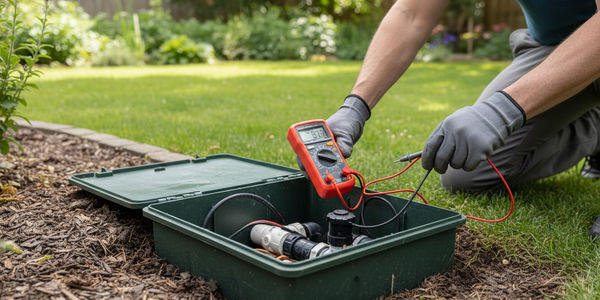
When a sprinkler zone suddenly stops working, it’s frustrating. You have a dry patch forming in your otherwise green lawn, and the cause is a mystery. More often than not, the problem is electrical, and the culprit is a small but essential part called the valve solenoid.
Learning how to test a sprinkler solenoid with a simple multimeter can save you time and money. The process involves checking for proper voltage (around 24 VAC) at the controller and valve, then testing the solenoid’s electrical resistance, which should fall between 20 and 60 ohms. This guide walks you through each step to figure out if your problem is the controller, the wiring, or the solenoid itself. If you’re facing a stuck zone or an active leak, start with our emergency sprinkler repair guide to safely shut off water first.
Need a professional diagnosis? Our technicians at M&M Sprinklers use this same systematic approach to pinpoint issues across Lubbock and West Texas irrigation systems.
Symptoms of a Bad Sprinkler Solenoid
Before grabbing a multimeter, it helps to know what a failing solenoid actually looks like in the field. Recognizing these warning signs early can prevent water waste and bigger repair bills.
A zone that won’t turn on is the most obvious symptom. You activate the zone from the controller, hear no click at the valve, and nothing happens. The controller display may show it’s running, but no water reaches the sprinkler heads. Practitioners on Reddit frequently report this as their first clue, noting that the controller seems fine but the yard stays dry.
A zone that won’t shut off is the opposite problem and just as common. When the solenoid’s plunger gets stuck in the open position or the coil partially shorts, the valve stays open even after the controller moves on. This leads to continuous water flow and a soaked yard. If multiple zones seem to run simultaneously or water keeps flowing after the system shuts down, suspect a solenoid issue.
A blown fuse in the controller often points to a shorted solenoid. According to Hunter Industries’ technical documentation, a solenoid reading below 20 ohms draws excessive current, which trips the controller’s internal protection. If one specific zone consistently blows the fuse when activated, that zone’s solenoid is the likely culprit.
Buzzing or humming at the valve without the valve actually opening can indicate a solenoid that’s receiving power but can’t move its plunger. The electromagnetic coil energizes but fails to pull the plunger up, sometimes because the coil is partially damaged or the plunger is physically stuck.
Intermittent operation is the trickiest symptom. A zone works some days but not others. This often results from a solenoid coil with degraded windings that measure borderline resistance, enough to work when conditions are favorable but failing under slight temperature changes or corrosion buildup. One YouTube walkthrough from an irrigation technician demonstrated a solenoid that tested at 58 ohms (just inside the acceptable range) but failed to actuate reliably because internal corrosion added resistance under load.
If you’re seeing any of these symptoms, the diagnostic steps below will tell you exactly what’s going on.
Getting Started: The Essential Tool
Before you begin, you’ll need one key tool: a digital multimeter. This device measures voltage and resistance, which will tell you everything about your sprinkler system’s electrical health. A basic model costing $15 to $30 at any hardware store works perfectly for this job. Make sure it can measure both AC voltage and resistance (ohms).
Step 1: Check for Power at the Controller
Your first step is to confirm the sprinkler controller (the timer box) is sending power. This simple test tells you if the problem starts at the source.
Set Your Multimeter to AC Voltage. Turn the dial to AC voltage, often marked as VAC or V with a wavy line (~). Irrigation systems use low voltage alternating current, so this is the correct setting.
Activate the Problem Zone. Go to your controller and manually turn on the zone that isn’t working.
Measure the Terminals. Touch one multimeter probe to the screw terminal for the problem zone and the other probe to the common terminal (usually labeled “C” or “COM”).
Check the Reading. You should see a reading between 22 and 28 volts AC. A healthy controller will typically output around 24 VAC.
If you get a reading in that range, your controller is doing its job. Move on to the next step. If you get zero volts or a very low reading, the problem is likely with your controller. No amount of solenoid testing will fix it. See our controller repair guide for next steps.
Step 2: Test the Voltage at the Solenoid
If the controller is sending power, the next question is whether that power is reaching the valve. This requires a trip out to the valve box in your yard.
Locate the Valve Box. Find the in ground box (usually green or black) that houses the valve for the non working zone.
Expose the Wires. Inside, you’ll find the valve with its solenoid, which has two wires coming out of it. These wires connect to the main field wiring with waterproof connectors. You may need to temporarily remove the connectors to access the copper wires.
Measure the Voltage. With the zone still active, carefully touch your multimeter probes (still set to VAC) to the two field wires that connect to the solenoid.
Interpret the Result. You should see the same 22 to 28 VAC reading you saw at the controller. If you do, it confirms your wiring is intact and power is successfully reaching the valve. If the valve still isn’t turning on, the solenoid itself is almost certainly the problem.
If you had good voltage at the controller but get zero voltage here at the valve, you have a broken wire somewhere between the two points. Use our sprinkler wire repair guide to find and fix the break.
Step 3: Test the Circuit’s Resistance (The Ohm Test)
The most definitive way to learn how to test a sprinkler solenoid is by measuring its electrical resistance in ohms (Ω). This test can be done from the controller and can diagnose a bad solenoid, a wiring short, or a broken wire.
Power Down and Disconnect Wires First
This is the most important rule of resistance testing. You must power the system down before testing ohms.
Turn the controller OFF. Set the dial to the “Off” position.
Disconnect the wires. Unscrew the common wire and the specific zone wire you are testing from the controller’s terminal strip. This isolates the circuit from the controller’s electronics, ensuring an accurate reading. Measuring with the wires connected can give false readings or even damage the multimeter.
How to Perform a Continuity Test
With the controller off and the wires disconnected, you’re ready to test. This is also known as a continuity test because it checks if the electrical path is complete.
Set Your Multimeter to Ohms. Turn the dial to the resistance setting, marked with the omega symbol (Ω).
Connect the Probes. Touch one probe to the end of the common wire and the other probe to the end of the zone wire.
Read the Resistance. The number on the screen tells you the health of the entire circuit, including the wiring and the solenoid coil.
Check Continuity and Short to Ground
Beyond testing resistance between the zone wire and common wire, there’s a critical test that many homeowners skip: checking for a short to ground. A ground fault occurs when electricity leaks from the wire into the surrounding soil, usually through damaged insulation. This can cause erratic zone behavior, phantom activations, or zones that refuse to run.
To check for a ground fault:
Keep your multimeter on the ohms setting.
Touch one probe to the zone wire and push the other probe into bare soil or touch it to a metal ground stake.
A healthy circuit should read OL (open line), meaning no electrical connection exists between the wire and the ground.
If you get any measurable resistance reading, especially below a few hundred ohms, you have a ground fault. The wire insulation is compromised somewhere underground, and current is leaking into the earth.
According to Rain Bird’s solenoid troubleshooting resources, ground faults are a frequent cause of “mystery” zone failures that look like solenoid problems but actually stem from damaged wiring. Repeat this test for the common wire as well. Ground faults are especially common in areas where landscape edging, tree roots, or rodent activity may have nicked the wire insulation.
If you find a ground fault, the solenoid may actually be fine. The fix involves locating and repairing the damaged wire section.
Understanding the Ohm Readings
Your multimeter’s reading will instantly tell you what’s wrong. Here’s what to look for:
Normal Reading (20 to 60 Ohms): This is the target window. A reading in this range means you have a healthy solenoid and a continuous wire path. Most standard 24 VAC solenoids have resistance between 20 and 60 ohms. If you see this, your electrical circuit is likely fine.
Short Circuit (0 to 10 Ohms): A very low reading, especially under 10 ohms, indicates a short circuit. The electricity has found a shortcut, either because the wires are touching somewhere or the solenoid coil has melted internally. A shorted solenoid is a common reason controllers blow fuses.
Open Circuit (OL or Infinite Ohms): If your meter reads “OL” (open line) or a number that keeps climbing, the circuit is broken. It could be a completely severed wire underground or a solenoid coil that has burned out and broken internally. No electricity can flow, so the valve will never activate.
Partial Open (70 to 200 Ohms): A reading that’s high but not infinite often points to a poor connection. The most common cause is a corroded wire splice in the valve box. While there’s technically a connection, it’s too weak to carry enough power to operate the valve. One documented case found a 95 ohm reading was caused by a single bad splice.
This ohm test is a powerful diagnostic tool and a key part of learning how to test a sprinkler solenoid effectively from one spot.
Using a Solenoid Activator or Chatterer for Diagnostics
A multimeter tells you about electrical health, but it can’t tell you if a solenoid will actually move when energized. That’s where a solenoid activator (sometimes called a chatterer) comes in. This is a small handheld device that sends a quick pulse of voltage to the solenoid, causing it to click rapidly. Professional irrigation technicians carry these as standard diagnostic tools.
How a Chatterer Works
The device connects directly to the solenoid’s two wires and delivers short bursts of 24 VAC. A working solenoid will produce a distinct rapid clicking sound as its internal plunger snaps up and down. You can feel the vibration through the valve body.
This test is valuable because it confirms three things simultaneously: the solenoid coil can generate a magnetic field, the plunger moves freely, and the valve responds mechanically.
What the Results Tell You
Strong, consistent clicking: The solenoid and plunger are both healthy. If the zone still doesn’t work during normal operation, the problem is upstream (controller or wiring).
Weak or inconsistent clicking: The solenoid coil may be partially degraded or the plunger is binding. Even if the ohm reading falls within range, the solenoid may lack enough force to open the valve against water pressure.
No clicking at all: The solenoid is dead. Replace it.
Several practitioners on irrigation forums note that a chatterer saved them from replacing solenoids that tested fine with a multimeter but wouldn’t actuate. The chatterer revealed that the problem was actually a stuck plunger rather than a coil failure, which meant they could clean the solenoid instead of buying a new one.
If you don’t own a solenoid activator, you can partially replicate this test by manually activating the zone from the controller and listening at the valve for a single click when the zone turns on. But the chatterer gives you far more diagnostic information in less time. Models from companies like Irritrol and Armada range from $30 to $80 and pay for themselves after a couple of troubleshooting sessions.
Mechanical Inspection of the Solenoid Plunger and Valve Diaphragm
Electrical tests only tell half the story. A solenoid can pass every multimeter and chatterer test perfectly and still fail to operate the valve. When all electrical readings check out but water doesn’t flow (or won’t stop flowing), it’s time to get physical with the inspection.
Inspecting the Solenoid Plunger
The solenoid’s plunger is a small metal or composite cylinder inside the coil housing. When the coil energizes, it pulls the plunger upward, which opens a small port in the valve’s bonnet. This port releases pressure from above the diaphragm, allowing water pressure to push the diaphragm open.
To inspect the plunger:
Turn off the water supply to the valve.
Unscrew the solenoid from the valve body by turning it counterclockwise (usually a quarter to half turn).
Pull the plunger out of the solenoid housing. It’s a small cylindrical piece, often with a spring.
Check for debris and corrosion. Sand, mineral buildup, and rust can prevent the plunger from moving freely. In Lubbock and West Texas, the hard water and sandy soil make this a particularly common issue.
Test the plunger’s movement. Push the plunger in and out with your finger. It should slide smoothly with light spring resistance. If it’s sticky, gritty, or frozen in place, that’s your problem.
A plunger caked in mineral deposits will prevent the solenoid from opening the valve, even with a perfectly good coil. Clean the plunger with white vinegar and a soft brush. If the plunger or its seat is scored or pitted, replace the solenoid.
Inspecting the Valve Diaphragm
While you have the valve open, inspect the diaphragm. This is the flexible rubber disc that controls water flow through the valve body.
Remove the bonnet (the top portion of the valve) by unscrewing the screws or releasing the clips that hold it in place. Lift out the diaphragm and look for:
Tears or holes: Even a small puncture will cause the valve to leak or fail to close properly. This is the most common mechanical failure in irrigation valves, according to Orbit’s valve troubleshooting documentation.
Warping or stiffness: Over years of use, the rubber hardens. A stiff diaphragm can’t flex enough to seal or open fully.
Clogged bleed port: The diaphragm has a tiny hole that allows water pressure to equalize above and below it. If this port is clogged with sediment, the valve won’t open even when the solenoid activates. A pin or thin wire can clear it.
For a more detailed walkthrough of diaphragm and internal valve repairs, check out our sprinkler valve repair guide.
When Mechanical Issues Masquerade as Electrical Problems
This is where things get tricky. A valve with a torn diaphragm might seem like a solenoid problem because the zone behaves erratically. A clogged bleed port makes the zone look dead. Practitioners on YouTube walkthroughs consistently emphasize that you should never replace a solenoid without physically inspecting the plunger and diaphragm first. The $8 solenoid you’re about to buy might not fix anything if the $5 diaphragm is the real issue.
How to Isolate the Fault: Controller, Wire, or Solenoid?
Troubleshooting is a process of elimination. By following these steps, you can confidently isolate the problem to one of three main components.
Start at the Controller. Test for approximately 24 VAC output at the terminals.No Voltage: The controller is the problem. It may need a new transformer, a fuse, or a full replacement.
Test Resistance at the Controller. If voltage is good, perform the ohm test on the disconnected wires. Don’t forget the ground fault check.Normal Ohms (20 to 60): The wiring and solenoid are likely okay electrically. The issue might be a bad splice, a stuck plunger, or a mechanical problem with the valve.Abnormal Ohms (Short or Open): The fault is in the field wiring or the solenoid. Proceed to the next step to determine which one.
Test the Solenoid Directly. Go to the valve box and disconnect the solenoid from the field wiring. Measure the resistance across the two solenoid wires.Solenoid Reads Normal (20 to 60 ohms): The solenoid itself is good. If your reading from the controller was abnormal, your wiring is the problem.Solenoid Reads Abnormal (Short or Open): You’ve found the culprit. The solenoid has failed and needs to be replaced. Here’s how to replace a sprinkler solenoid.
Use a Chatterer or Manual Activation. If electrical tests pass, confirm the plunger moves freely using a solenoid activator or manual activation from the controller. No click means a stuck plunger or dead coil under load.
Inspect Mechanically. If everything electrical checks out and the solenoid clicks, remove the solenoid and inspect the plunger, diaphragm, and bleed port.
This systematic approach is exactly how technicians at M&M Sprinklers quickly diagnose issues, preventing unnecessary and costly repairs.
What If Electrical Tests Are Normal, But the Valve Won’t Work?
Sometimes, you’ll find that the voltage is good and the ohm reading is perfect, but the zone still won’t turn on. This almost always points to one of these causes:
A Bad Waterproof Splice: The wire nuts connecting the solenoid to the field wiring must be waterproof and grease filled. Standard wire nuts used in homes will corrode and fail in a damp valve box. This corrosion can create a weak connection that tests okay with a multimeter’s tiny current but fails under the load of the valve. If you suspect this, cut out the old connectors, strip the wires fresh, and install new waterproof connectors.
A Stuck Solenoid Plunger: As described in the mechanical inspection section above, mineral buildup from hard water can freeze the plunger in place. The coil is fine electrically, but it can’t physically move the plunger. Clean or replace the solenoid.
A Mechanical Failure: The valve itself could be clogged with debris, the diaphragm could be torn, or the flow control handle might be shut. At this point, you’d need to shut off the water, open up the valve, and inspect its internal parts.
For deeper guidance on diagnosing valve solenoid problems beyond what a multimeter can reveal, that resource covers additional scenarios.
When to Call a Professional
While learning how to test a sprinkler solenoid is a valuable skill, some problems require professional tools and expertise. If you’ve traced the issue to a broken underground wire, a faulty controller, or ground faults across multiple zones, it’s time to call for help. The same goes if you’re simply not comfortable working with electrical components.
The team at M&M Sprinklers has served the Lubbock and West Texas communities since 1982. We have the advanced tools needed to locate underground wire breaks with minimal disruption to your lawn. To keep issues from recurring, consider a professional irrigation tune up.
Ready for expert help?Contact M&M Sprinklers for reliable sprinkler diagnostics and repair across Lubbock and surrounding communities.
Frequently Asked Questions about How to Test a Sprinkler Solenoid
What’s the most common reason a sprinkler solenoid fails?
Age and power surges are the most common causes. Over time, the coil windings degrade from heat cycling and moisture exposure. Lightning strikes or power fluctuations can burn out the coil instantly. In areas like West Texas with frequent electrical storms, surge damage is a recurring issue.
What should a good sprinkler solenoid read in ohms?
A good, functional 24 VAC sprinkler solenoid should have a resistance reading between 20 and 60 ohms. Readings outside this range indicate a shorted or open coil.
Can I test a sprinkler solenoid without a multimeter?
Not accurately. While you can sometimes hear a faint click or feel a vibration from a working solenoid when the zone activates, a multimeter is the only way to definitively measure voltage and resistance. A solenoid activator (chatterer) can verify mechanical function but still doesn’t replace the multimeter for electrical diagnosis.
What happens if a sprinkler solenoid is shorted?
A shorted solenoid (reading 0 to 10 ohms) draws too much electrical current. This will almost always cause the fuse in your sprinkler controller to blow or its internal protection to trip as soon as that zone tries to activate. If you’re repeatedly replacing fuses, check for signs of a bad solenoid on that zone.
Why do I have voltage at the controller but not at the valve?
This is a classic sign of a broken wire or ground fault. If your controller is sending out 24 volts but none of it is arriving at the solenoid, the electrical path has been cut or is leaking into the soil somewhere in your yard.
How do I know if I need to replace the solenoid or the whole valve?
If your electrical tests show the solenoid is bad (open or shorted), you can typically just replace the solenoid. They usually unscrew from the valve body with a quarter turn. If the electrical tests are fine but water won’t flow, the problem is likely mechanical inside the valve body (a torn diaphragm, clogged bleed port, or stuck plunger), which may require a rebuild kit or a full valve replacement.
Can a solenoid test good on a multimeter but still be bad?
Yes. This is more common than most people realize. A coil can show 35 ohms on a multimeter and still fail to generate enough magnetic force to move a corroded plunger against water pressure. That’s why the mechanical inspection and chatterer test are important follow up steps when ohm readings look normal but the valve won’t operate.


Comments