Residential Sprinkler Services 2026: Install, Repair, Costs
Updated: 4 days ago
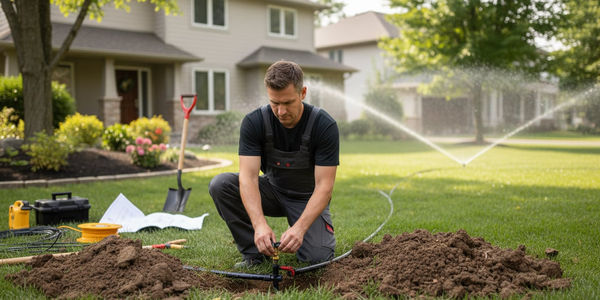
A healthy, vibrant lawn relies on a well maintained irrigation system. So what are residential sprinkler services? They cover a comprehensive range of professional solutions designed to install, maintain, repair, and optimize your home’s irrigation system so it works efficiently and reliably. If you’re seeing dry patches, soggy spots, or a rising water bill, it’s a clear sign you may need expert help.
This guide covers everything you need to know about professional residential sprinkler services, from troubleshooting common failures to understanding what repairs should cost, how fast a company should respond, and when a full valve replacement makes more sense than a quick fix.
If your system needs attention right now, schedule a sprinkler repair before a small problem turns expensive.
Troubleshooting Common Sprinkler Problems
Even the best sprinkler systems run into issues. Knowing how to spot and address common problems can save you a lot of headaches and money. From leaks to electrical faults, expert residential sprinkler services can diagnose and fix the issue correctly the first time.
Irrigation Repair: Don’t Wait to Fix Leaks
Ignoring a small leak or a broken component is a costly mistake. A single broken sprinkler head can waste up to 25,000 gallons of water over a single season. That geyser shooting water into the air might look dramatic, but it can gush over 1,000 gallons in just one hour. Many of these problems go unnoticed because sprinklers run at night. The moment you see an unusually damp spot or a head spraying water incorrectly, shut the system off and call a professional. Quick action minimizes water waste and prevents further damage.
Sprinkler Head Replacement
A broken sprinkler head is one of the most common reasons for water waste and should be replaced immediately. When a head is damaged, it not only wastes massive amounts of water but also causes a pressure drop in the zone. This means other sprinklers on that line won’t perform well, leading to brown, dry spots in your lawn. Replacing a head is usually a straightforward fix for a professional, restoring even coverage and stopping unnecessary water loss. For help identifying what type of head you have, check out this guide to sprinkler head types.
Valve Repair
Zone valves act as the gates for your sprinkler system. When one fails, a zone might not turn on or, even worse, refuse to shut off. Common culprits include debris inside the valve, a worn out diaphragm, or a failed electrical solenoid. Sometimes, a simple cleaning is all that’s needed to fix a stuck valve. If a valve works manually but not with the controller, the problem is likely electrical. An expert in residential sprinkler services can diagnose the issue and replace the solenoid or diaphragm without needing to replace the entire valve body.
When Valve Replacement Is the Better Call
Valve repair works most of the time, but there are situations where a full valve replacement is the smarter investment. If a valve has been repaired multiple times and keeps failing, it’s a sign that the valve body itself is compromised. Cracked housings, stripped threads, and heavy internal corrosion are all problems that no new diaphragm or solenoid can solve.
Practitioners on Reddit report that older brass valves from the 1990s or earlier are especially prone to internal corrosion that makes them unreliable even after multiple repairs. The cost difference between a diaphragm swap and a full valve replacement is often only $50 to $100 in parts, so when a valve has a history of failures, replacement is almost always the better value.
Signs it’s time for a full replacement:
The valve body is visibly cracked or warped
You’ve replaced the diaphragm or solenoid more than twice in two years
The valve leaks from the body itself rather than from connections
Water flow through the zone has dropped noticeably even after cleaning
A quality irrigation company will be honest about whether a repair or replacement makes more financial sense. For a deeper look at costs, review this sprinkler valve repair cost guide.
Pipe Leak Repair
Underground pipe leaks are sneaky water thieves. Telltale signs include constantly soggy areas of your lawn or small sinkholes. A tiny leak that fills a cup in just 30 seconds can waste over 65,000 gallons in a year. A more significant break in a half inch pipe can waste over 15 gallons per minute. Shutting off the water supply is the critical first step. While some homeowners can patch small leaks, professional technicians have specialized equipment to locate and repair hidden leaks without destroying your yard.
Controller and Wiring Diagnosis
The controller is the brain of your irrigation system. If it malfunctions, your whole schedule is thrown off. Many controller issues are simple, like a dead backup battery or incorrect time settings. However, more complex problems often stem from the wiring. Wiring connections are responsible for about 70% of all irrigation system failures. Corroded splices, often caused by using improper connectors that aren’t waterproof, are a frequent cause of zone failures. A technician can systematically test the controller, wiring, and solenoids to pinpoint the exact electrical fault.
Water Pressure Troubleshooting
Your sprinkler system needs water pressure to be just right, not too high and not too low. High pressure causes “misting” or “fogging,” where water atomizes and blows away instead of watering your lawn. Most sprinklers are designed for a pressure range of 30 to 50 PSI. Low pressure is just as bad, causing heads that don’t pop up fully or rotors that fail to turn. Whether you need a pressure regulator installed or have to redesign a zone with too many heads, getting the pressure right is essential for efficient watering. For a full breakdown of causes and solutions, read this low water pressure troubleshooting guide.
Response Time for Repair: What to Expect
One of the most common frustrations homeowners voice online is how long it takes to get an irrigation company on site. In Lubbock and across West Texas, peak season (late spring through early fall) pushes wait times with many companies to a week or more. Reddit threads from Lubbock homeowners describe calling multiple companies and waiting days just to get a callback.
A reasonable expectation for standard repairs is 2 to 5 business days during the busy season and 1 to 2 days during slower months. For emergencies like a burst main line or a valve that won’t shut off, same day or next day response should be the standard.
Here’s what separates a responsive company from the rest:
Same day phone answer or callback within a few hours. If you can’t reach anyone, that’s a red flag about their capacity.
Clear scheduling windows. A good provider tells you when they can come and sticks to it.
Emergency prioritization. Companies with technology monitoring plans can detect breaks through flow alerts and respond within 48 hours of the alert, often before the homeowner even notices the problem.
Honest timeline communication. If the wait is five days, say five days. Practitioners in online forums consistently say they’d rather hear an honest timeline than get ghosted after being told “we’ll be there tomorrow.”
Every homeowner should know where the main shutoff valve for their irrigation system is located. A burst pipe can release hundreds of gallons in an hour, so shutting the water off quickly is essential to prevent flooding and property damage while you wait for a technician.
Pricing Transparency: What Residential Sprinkler Services Should Cost
Pricing is one of the biggest pain points in the irrigation industry. Many companies don’t publish rates, which leaves homeowners feeling uncertain about whether they’re getting a fair deal. Discussions on Reddit and local forums frequently show people asking “is this quote reasonable?” because they have no frame of reference.
Here’s a general breakdown of what common residential sprinkler services cost in 2025 and 2026, based on industry data and regional averages for the West Texas market:
These ranges come from HomeAdvisor national averages adjusted for the West Texas market. Actual quotes will vary based on system complexity, number of zones, and the specific issue.
For a more detailed local cost breakdown, see this sprinkler repair cost guide.
What to look for in pricing from a provider:
Flat diagnostic fee that applies toward the repair. This protects both you and the company. If a tech comes out, diagnoses the problem, and you approve the work, the trip charge should roll into the total.
Written estimates before work begins. No reputable company should start turning wrenches without your approval on the cost.
No hidden charges for standard parts. Ask if common components like sprinkler heads, nozzles, and diaphragms are included in the quoted price or billed separately.
Transparent membership pricing. Maintenance plans should clearly spell out what’s included. Compare options using a maintenance plan comparison checklist before committing.
The cheapest quote isn’t always the best value. A company that correctly diagnoses the root cause the first time saves you from paying for a second visit. One project manager shared in a YouTube walkthrough that misdiagnosis is the single biggest hidden cost in irrigation repair, because the homeowner ends up paying twice for what should have been one job.
System Maintenance and Optimization
Routine care is the best way to prevent major repairs and keep your system running efficiently year after year. Preventative maintenance is a cornerstone of quality residential sprinkler services and ensures long term system health.
Sprinkler System Inspection and Zone Adjustment
Experts recommend a full system inspection in the spring and at least once a month during the watering season. A simple “wet test,” where you run each zone and walk the property, helps you spot problems like leaks, clogged nozzles, or misaligned heads. Even minor misalignments can contribute to significant water waste. Take the time to adjust spray patterns to keep water on the lawn and off the pavement. Make sure heads are sitting level with the ground and not tilted or sunken, which can block the spray.
For seasonal checkups and tune ups, explore sprinkler maintenance plans that handle this on a recurring schedule.
Drip Irrigation Solutions
Not all plants are best watered with spray sprinklers. For flower beds, gardens, and shrubs, drip irrigation is a far more efficient choice.
Drip Irrigation Conversion and Installation
Drip systems deliver water directly to the plant’s roots and can be around 90% efficient, compared to about 65% for traditional sprinklers. This can result in using up to 90% less water for those areas. Converting a spray zone to drip is a popular upgrade. When installing a drip system, it’s crucial to include a filter to prevent emitters from clogging and a pressure regulator, as the high pressure from a standard system can cause emitters to blow off the tubing.
Drip Irrigation Maintenance
Like any system, drip lines need occasional care. It’s good practice to flush the lines at least once a year to clear out any sediment. During the season, walk the lines to check for clogged emitters or breaks in the tubing. As plants grow, you may also need to move or add emitters to ensure you are still watering the entire root zone.
Seasonal Residential Sprinkler Services
Your sprinkler system’s needs change with the seasons. A proactive approach ensures it’s ready for the year ahead and protected from the elements.
Spring Startup
Once the danger of a hard freeze has passed, it’s time to wake your system up. For step by step instructions, see the spring sprinkler startup guide. This involves more than just flipping a switch. You should slowly turn the main water valve back on to prevent a “water hammer” surge that can damage components. Run each zone and perform a full inspection, cleaning heads and adjusting for any landscape changes. It’s also the perfect time to program your controller with an appropriate spring watering schedule, which should use less water than in the peak of summer.
Mid Season Tune Up
Summer is when your system works its hardest. A mid season checkup ensures it’s performing optimally during peak heat. Adjust your controller’s schedule to match the hot weather, and walk the property again to check for heads being blocked by new plant growth. This is also a good time to check for clogged nozzles, as mineral deposits can build up over time. For tips on dialing in your schedule, read about the best time of day to water in Lubbock.
Fall Winterization and Sprinkler Blowout
Proper winterization is non negotiable in West Texas. Water left in pipes can freeze, expand by about 9%, and generate enough pressure to crack pipes and destroy sprinkler components. The first step is to shut off the main water supply to the irrigation system. For complete protection, a sprinkler blowout using an air compressor is the most effective method. Use the winterization checklist to make sure nothing is missed. This process forces all the water out of the lines, valves, and heads. Because using the wrong pressure can damage the system, this is a task often best left to professionals. A properly winterized system is 90% less likely to suffer freeze damage.
For expert seasonal care, including startup and winterization, consider the comprehensive residential sprinkler services offered by M&M Sprinklers.
Installation, Upgrades, and Design
Whether you’re installing a new system or improving an old one, smart design and modern technology make all the difference. Proper planning and installation are critical components of any professional residential sprinkler services.
Irrigation Installation, Design, and Permits
A well designed irrigation system is the foundation of a healthy lawn. Proper design involves grouping plants with similar water needs into different zones, a concept known as hydrozoning. It also means ensuring “head to head” coverage, where each sprinkler’s spray reaches the next one, for uniform watering. When planning an installation, it’s also important to check with your city for permit requirements. Many municipalities require a licensed irrigator to design the system and pull a permit to ensure it meets code, especially regarding backflow prevention.
If you’re ready to plan a new system, explore irrigation design and installation.
Irrigation Upgrades and Water Efficient Design
Upgrading an older system can lead to massive water savings. Consider retrofitting zones with high efficiency rotary nozzles, which can reduce water use by 30% or more by applying water more slowly. Pressure regulating sprinkler heads are another great upgrade to prevent wasteful misting. For a full look at what’s involved in modernizing an older system, read this guide to estimating retrofit costs.
Smart Irrigation Controller Installation
One of the most impactful upgrades you can make is installing a smart irrigation controller. Learn what’s involved in the Wi Fi sprinkler controller guide. These Wi Fi enabled devices automatically adjust watering schedules based on local weather data, skipping cycles when it rains and watering more during a heatwave. Homeowners who switch to weather based controllers often see their outdoor water use drop by 20% or more. The ability to manage your system from a smartphone app adds a level of convenience that traditional timers can’t match.
Professional Services and Homeowner Knowledge
Working with the right professionals and understanding your system are crucial for long term success.
Emergency Irrigation Repair
Problems don’t always happen during business hours. A burst pipe can release hundreds of gallons in an hour, so shutting the water off quickly is essential to prevent flooding and property damage. Having a trusted company on call for emergency repairs provides invaluable peace of mind. If you’re unsure whether your situation qualifies as an emergency, this guide on urgent sprinkler system failures can help you decide.
Backflow Preventer Testing
A backflow preventer is a critical safety device that stops contaminated water from your lawn from flowing back into your home’s drinking water. Most cities in Texas require this device to be tested annually by a licensed Backflow Prevention Assembly Tester (BPAT). You can book your annual backflow testing with a licensed BPAT in Lubbock. This isn’t just about compliance; it’s about protecting your family’s health.
Homeowner Training and Service Warranty
A good irrigation company doesn’t just fix problems; they empower homeowners. After an installation or major repair, a technician should walk you through the system’s operation, showing you how to use the controller and make minor adjustments. Understanding the basics helps you spot issues earlier. Furthermore, always ask about the service warranty. A reputable provider of residential sprinkler services will stand behind their work, giving you confidence in the quality of the repair or installation.
Frequently Asked Questions
1. How often should I have my sprinkler system inspected? It is recommended to have a professional inspection at least twice a year: once for the spring startup and again for the fall winterization. Additionally, you should personally run through the zones once a month during the watering season to spot any obvious issues.
2. Is a smart controller really worth the investment? Smart controllers can reduce your outdoor water usage by 20% or more by automatically adjusting to local weather. The water savings often allow the controller to pay for itself within a few seasons, not to mention the convenience of remote smartphone control.
3. Can I convert a sprinkler zone to drip irrigation myself? Yes, DIY conversion kits are available. However, for a seamless and effective conversion, a professional can ensure the right components, like filters and pressure regulators, are installed correctly for long term, trouble free operation. This is a common offering for companies providing residential sprinkler services.
4. What is backflow testing and why is it required? Backflow testing is a mandatory annual inspection in many areas to ensure the safety device that protects your drinking water is working correctly. It prevents fertilizers, pesticides, and other contaminants from your lawn from siphoning back into the municipal water supply.
5. How do I know if I have a water pressure problem? If your sprinklers produce a fine mist or fog instead of droplets, your pressure is likely too high. If heads don’t pop up all the way or rotors don’t turn, your pressure may be too low. A professional can measure the pressure and recommend the right solution.
6. How quickly should a sprinkler repair company respond? For standard repairs during peak season, 2 to 5 business days is typical. For emergencies (burst pipes, valves that won’t shut off), expect same day or next day service from a responsive company. Companies with flow monitoring technology can sometimes detect problems and dispatch within 48 hours of an alert.
7. How much does a typical sprinkler repair cost? Most individual repairs fall between $75 and $350 depending on the issue. Head replacements are on the low end, while underground pipe repairs or controller replacements cost more. Always get a written estimate before work begins.
8. When should I replace a valve instead of repairing it? If a valve has been repaired more than twice in two years, the body is cracked, or it leaks from the housing itself, replacement is the better investment. The parts cost difference between repair and replacement is often small, and a new valve gives you years of reliable service.
9. Should I repair a broken sprinkler line myself? Small, visible repairs on lateral lines can sometimes be a DIY job if you have the right tools and parts. However, for leaks on the main line or for hidden underground leaks, it is best to call a professional. They have the expertise to make a durable repair and the equipment to find leaks without extensive digging.
10. What makes a sprinkler system “water efficient”? A water efficient system uses smart design and modern components. This includes zoning based on plant needs (hydrozoning), using high efficiency or drip nozzles, installing a smart controller that adjusts to the weather, and ensuring the system has no leaks and is operating at the correct pressure.


Comments