
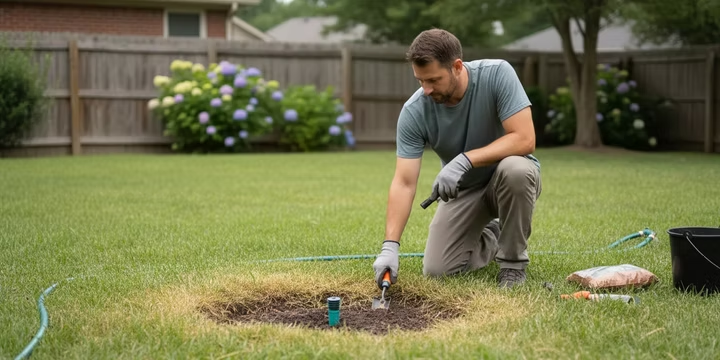
Have you ever noticed a patch of your lawn that looks suspiciously dry, even after the sprinklers have run? Or maybe you’ve seen a sprinkler sputtering and spraying water directly into the thick grass around it. These are classic signs of a common irrigation problem: a sprinkler head too low.
Over time, soil settles, grass thickens, and that perfectly installed sprinkler head can sink below ground level. While it might seem like a small issue, a sunken sprinkler can lead to uneven watering, wasted water, and a stressed out lawn. The good news is that fixing a sprinkler head too low is often a straightforward job. The solution usually involves unscrewing the head and adding a simple threaded extension, called a riser, to raise it back to the proper height.
How to Spot a Sprinkler Head That Is Too Low
Identifying a sprinkler head too low is the first step. A sprinkler that isn’t level with the ground, either because it’s sunken or tilted, won’t do its job correctly. Here’s what to look for:
- Blocked Spray: The most obvious sign is water spraying into the surrounding turf instead of arching over it. The grass and soil block the nozzle, preventing water from reaching its intended distance.
- Donut-Shaped Watering Patterns: You might see a very wet circle right around the sprinkler head and a dry patch just beyond it. This happens because the water can’t escape the immediate area.
- Bubbling or Pooling: If a sprinkler is completely buried, you may just see water bubbling up from the ground or creating a muddy puddle where the head should be. If water is gushing or you need to stop a leak fast, use this emergency shut‑off and quick repair guide.
- Visible Tilting: A tilted head is also a problem. It will throw water too far in one direction and not far enough in the other, leading to oversaturated spots and dry areas. It may also spray water onto sidewalks or driveways.
A quick walk around your yard while the system is running can reveal which sprinklers are underperforming. If you suspect a sprinkler head too low, you’ve found a key opportunity to improve your lawn’s health. If coverage is off on a rotor, this Rain Bird 32SA arc and radius adjustment guide can help you dial it in after raising the head.
Why Sunken Sprinklers Cause Problems
Letting a sprinkler head too low remain unfixed can cause more than just a few brown spots on the lawn. It impacts the health and efficiency of your entire irrigation system.
A buried sprinkler head can easily get clogged with dirt, sand, and debris. This can jam the pop up mechanism, preventing it from rising or retracting properly, and can even damage the internal gears. Furthermore, a blocked spray pattern means you are wasting water on a small, oversaturated area while the rest of the zone thirsts. This inefficiency can lead to higher water bills and a stressed, unhealthy landscape.
How to Fix a Sprinkler Head That Is Too Low
Fixing a sprinkler head too low is a manageable DIY project for many homeowners. The goal is to raise the head so it sits flush with the soil, allowing it to pop up and spray freely.
The Best Solution: Raising a Sprinkler Head with a Riser
The most common and effective way to fix a sprinkler head too low is by adding or replacing a riser. A sprinkler riser is simply a small, threaded extension pipe that connects the underground water line to the sprinkler head.
Here is the basic process:
- Dig Carefully: Use a small shovel or trowel to clear the grass and soil from around the sunken sprinkler head. Dig down until you expose the full body of the sprinkler and the fitting it’s connected to.
- Unscrew the Head: Once exposed, carefully twist the sprinkler head counterclockwise to unscrew it from the fitting below.
- Add the Riser: You will need a riser that is the right length to bring the head up to ground level. These extensions, often called nipples, typically come in standard 1/2 inch or 3/4 inch diameters. Screw the new riser into the underground fitting. For a watertight seal, it’s a good practice to wrap the male threads of the riser with three to five layers of PTFE tape (Teflon tape) before installing it.
- Reattach the Head: Screw the original sprinkler head onto the top of the new riser. Hand tighten it, and then give it about a quarter turn more. Overtightening can crack the plastic fittings.
- Backfill and Test: Fill the hole with soil, packing it firmly around the sprinkler body to prevent it from sinking again. Turn on the zone for a moment to check for leaks and ensure the spray pattern is correct; if needed, follow this sprinkler nozzle adjustment guide to fine‑tune arc and radius.
If your existing head is damaged or clogged, this is the perfect time to replace a sprinkler head (step-by-step guide). The process is the same; you’ll just be screwing on a brand new sprinkler head at the end. For tricky repairs or if you’re not comfortable with the work, the licensed irrigators at M&M Sprinklers can handle it quickly and correctly.
The Goal: Setting Sprinklers Flush with the Ground
Whether you’re installing a new system or adjusting an old one, the ideal placement for a pop up sprinkler head is flush with the soil surface. This means the top of the retracted sprinkler is level with the surrounding dirt and grass.
Why is a flush installation so important?
- Protection: A flush head is safe from lawnmower blades, foot traffic, and other yard activities that could break a head that’s sticking up too high.
- Performance: It allows the nozzle to pop up cleanly above the turf, ensuring an unobstructed spray pattern for maximum coverage.
- Safety: A sprinkler head that is flush with the ground doesn’t create a tripping hazard.
To achieve this, irrigation lines are typically buried at a depth of 8 to 12 inches, which is a key part of good irrigation system design. This burial depth provides protection from aerators and shallow digging while allowing the sprinkler head to sit perfectly at grade.
Get Expert Sprinkler Help in Lubbock and West Texas
While raising a sprinkler is often a simple fix, sometimes the problem is more complex. If you have multiple sunken heads, persistent low water pressure, or just want a professional to tune up your system, it’s time to call in the experts.
For homeowners in the Lubbock area, the team at M&M Sprinklers provides first class irrigation services. Their experienced technicians can quickly diagnose why you have a sprinkler head too low and perform the right adjustments to restore even coverage. As part of their system checkups and seasonal maintenance plans, they inspect every head to ensure it’s at the proper height and functioning efficiently, saving you water and keeping your lawn green.
Frequently Asked Questions
What causes a sprinkler head to sink over time?
Sprinkler heads sink for a few reasons. The most common is natural soil compaction and settling, especially in newly installed systems or areas with loose soil. Thickening turf and thatch buildup can also gradually grow over a head, effectively burying it.
How high should a pop up sprinkler head be?
Ideally, the top of a pop up sprinkler head should be flush (level) with the soil. In lawns with very thick or tall grass, setting it about a quarter inch above the soil can help ensure the spray clears the blades of grass. If you need to tweak a common model after raising it, see our Rain Bird 1800 adjustment guide.
Can I just dig the grass out from around a low sprinkler head?
While clearing away overgrown turf can provide a temporary fix, it doesn’t solve the underlying height issue. The grass will grow back, and the head will still be positioned too low in the soil. The best long term solution is to raise the entire sprinkler head using a riser.
Is a sprinkler head too low a serious problem?
It can be. A single sprinkler head too low can lead to significant underwatering in one part of your lawn, causing dry brown patches and stressing the grass. It also wastes water and can lead to premature failure of the sprinkler head itself due to dirt and debris.
How much does it cost to raise a sprinkler head?
The cost can vary, but raising a single head is generally an inexpensive repair. For professionals, it’s often a quick task performed during a standard service call or as part of a routine irrigation system checkup.