TL;DR
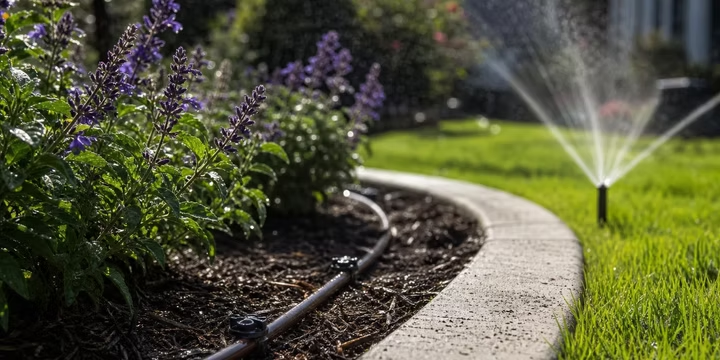
Drip irrigation delivers water directly to plant roots at 90–95% efficiency, while sprinklers cover large turf areas at 60–80% efficiency. Drip costs more per square foot to install but saves 30–70% on water usage. Most properties benefit from combining both systems: sprinklers for lawns, drip for beds, trees, and foundation zones. In West Texas, where wind and watering restrictions amplify every inefficiency, choosing the right system for each part of your landscape is a real money decision.
What Is Drip Irrigation?
Drip irrigation is a low-pressure watering method that delivers water slowly and directly to the root zone of each plant through a network of tubing, emitters, and valves. Instead of throwing water into the air, drip systems place it exactly where it’s needed, at the soil surface or just below it.
A typical drip setup includes four key components: mainline tubing (usually half-inch polyethylene), individual emitters or drippers that control flow rate, an inline filter to catch sediment, and a pressure regulator that steps municipal water pressure down from 40–60 PSI to the 10–30 PSI range where drip operates best.
The efficiency numbers are striking. The USDA Agricultural Research Service puts drip irrigation’s application efficiency at 90%, meaning 90 cents of every dollar’s worth of water actually reaches and stays in the root zone. Independent testing confirms rates between 90–95%.
Drip works best for garden beds, shrubs, trees, foundation perimeters, container gardens, and sloped areas where runoff would waste water from overhead spray.
What Is a Sprinkler System?
A sprinkler system is a pressurized irrigation network that distributes water above ground through spray heads, rotors, or MP rotators. Water travels from the main supply through underground lateral lines, passes through electrically controlled zone valves, and exits through pop-up heads that retract flush with the ground when not running.
There are three common head types. Fixed spray heads cover small, defined areas with a fan-shaped pattern. Rotary heads (rotors) throw water in a rotating stream across larger zones. MP rotators combine the two approaches, delivering multiple rotating streams at a lower precipitation rate for better absorption. You can explore these differences in our types of sprinkler heads guide.
Sprinkler efficiency varies by design. Hand-move and wheel-move sprinklers average around 65%. Solid-set systems reach about 70%. Center pivots hit roughly 75%. Well-designed residential pop-up systems with matched precipitation rates and proper head spacing generally land in the 60–80% efficiency range.
Sprinklers are the right tool for turf grass, large open lawn areas, and uniform plantings that need even coverage across wide zones.
Drip Irrigation vs Sprinklers: Side-by-Side Comparison
This is where the practical differences become clear. The table below covers the dimensions that matter most when choosing between drip irrigation and sprinkler systems.
A few of these deserve more context.
Water Efficiency Gap
The efficiency difference between drip irrigation and sprinklers is not small. A real-world case study from Jacksonville showed that switching a 110-gallon-per-minute sprinkler system to drip cut water usage by 62%, dropping the monthly bill from $105 to $40. The EPA’s WaterSense program reports that replacing sprinkler irrigation with drip can reduce landscape water use by up to 50%.
Installation Costs
Drip irrigation costs more per square foot, but covers less total area because it targets individual plants rather than blanketing entire zones. Most DIY drip kits run $25–$225 for above-ground units covering 150–750 square feet. Professional drip installation averages $1.70–$4.80 per square foot including labor and materials.
Sprinkler systems cost less per square foot ($0.50–$2.00 installed) but require trenching, pipe, valves, and heads that add up across a full yard. For a detailed breakdown, check our irrigation system installation cost guide.
Maintenance Differences
Both systems need upkeep, but the work looks different.
Drip systems are prone to clogging, especially the small emitter openings. Above-ground tubing degrades from UV exposure and can be damaged by foot traffic, pets, or yard work. Seasonal maintenance includes flushing lines, cleaning filters, checking emitter flow rates, and winterizing the system.
Sprinkler systems need head replacement when mowers clip them, alignment checks to prevent overspray onto sidewalks, and periodic leak detection on underground lines. Most sprinkler repairs cost $130–$360, though complex issues can reach $850 or more. If you suspect a hidden leak, our guide on detecting underground sprinkler leaks walks through the process.
Disease Prevention
This one gets overlooked. Sprinklers wet plant foliage, creating ideal conditions for fungal diseases like powdery mildew and black spot. Drip irrigation keeps leaves completely dry by applying water only to the soil. For susceptible plants like tomatoes, roses, and squash, this single change can dramatically reduce disease pressure. Practitioners on gardening forums consistently report fewer fungal problems after switching beds from overhead spray to drip.
Why Drip Irrigation vs Sprinklers Matters More in West Texas
The drip vs sprinkler decision carries extra weight in Lubbock and the surrounding area. Three factors make the efficiency gap wider here than in most parts of the country.
Watering Restrictions
Lubbock enforces year-round irrigation restrictions. Residents may only water on two assigned days per week, and only during approved windows: midnight to 10:00 a.m. and 6:00 p.m. to midnight. Irrigation is prohibited every day from 10:00 a.m. to 6:00 p.m.. When you can only run your system twice a week, every gallon that misses the root zone is wasted.
According to the Texas Water Development Board, outdoor irrigation accounts for more than 30% of residential water use, and much of that is lost to overwatering or inefficient systems.
Wind-Driven Water Loss
This is the factor most comparison articles ignore entirely. Lubbock averages sustained winds above 12 mph. Sprinkler efficiency drops sharply once wind exceeds 5 mph because spray patterns distort, mist evaporates before reaching the ground, and water lands on driveways and sidewalks instead of turf. USDA data confirms that wind is one of the primary efficiency killers for overhead irrigation.
Drip irrigation eliminates wind drift completely. Water exits emitters at ground level at low pressure, so wind has nothing to catch. For a West Texas homeowner comparing drip irrigation vs sprinklers, this single advantage can shift the real-world efficiency gap from 15% to 35% or more on a windy day.
For tips on keeping your existing sprinkler system performing despite these conditions, see our sprinkler maintenance in West Texas guide.
Hard Water and Drip Clogging
Lubbock’s water is notoriously hard, and that creates a real challenge for drip systems. Mineral deposits build up inside emitters over time, reducing flow or blocking it entirely. Research from the University of Florida (UF/IFAS) categorizes clogs into three types: physical (sand, silt, debris), chemical (mineral precipitation from hard water), and biological (algae and bacterial slime).
The fix is straightforward but non-negotiable: install an inline filter rated for your water quality, flush drip lines at least twice per season, and consider acid injection or vinegar flushes for stubborn mineral buildup. Ignoring this is the main reason homeowners give up on drip, according to practitioners on Reddit who have dealt with hard water systems in the Southwest.
Foundation Drip Systems
Here’s something almost no drip-vs-sprinkler comparison mentions: foundation watering. West Texas sits on expansive clay soils that swell when wet and shrink when dry. That cycle of expansion and contraction can crack foundations. A perimeter drip line that keeps soil moisture consistent around your home’s slab is inexpensive insurance against thousands of dollars in structural repair.
Foundations typically only need supplemental watering in dry climates with clay soil, which describes Lubbock precisely. This isn’t a landscaping luxury. It’s a structural maintenance strategy.
When to Use Each System: A Decision Guide
Stop thinking about drip irrigation vs sprinklers as an either/or choice. The best approach for most Lubbock properties is using both, with each system handling what it does best.
Use Sprinklers For
- Turf grass (St. Augustine, Bermuda, buffalo grass)
- Large, uniform open lawn areas
- Athletic fields or play areas
- Any zone where you need even coverage across a wide, continuous surface
Use Drip Irrigation For
- Flower beds and garden beds
- Shrubs and hedges
- Trees (especially establishing new trees or maintaining mature root zones)
- Foundation perimeter zones
- Slopes and hillsides where runoff is a problem
- Container gardens and raised beds
- Vegetable gardens (keeps foliage dry, reduces disease)
If you have mature trees, drip irrigation for root zones pairs naturally with deep-root feeding programs. Our guide on coordinating irrigation with tree health explains how these two services work together.
The Combined-System Approach
Most homes have both turf and planted areas. Running sprinklers on your flower beds wastes water and invites disease. Running drip across your lawn doesn’t work at all, as emitter spacing can’t match turf’s uniform water needs.
The professional recommendation: sprinkler zones for turf, drip zones for everything else. Converting an existing sprinkler system to include drip extensions typically costs $300–$1,200 per zone, which often pays for itself within a few seasons through water savings alone.
Already have sprinklers and want to add drip? Our guide on adding drip irrigation to existing landscapes covers the conversion process step by step.
Smart Controllers Tie It All Together
A modern smart controller (like the Hunter X2 with Hydrawise) can manage sprinkler zones and drip zones on completely different schedules. Drip zones typically run longer at lower volume. Sprinkler zones run shorter at higher volume. A smart controller adjusts both based on weather data, applies cycle/soak programming to prevent runoff, and monitors flow to detect leaks or clogs automatically.
This is the piece that makes a combined system practical rather than complicated. Check our smart irrigation system checklist to see if your current setup qualifies or what upgrades would get you there.
DIY Drip Kits vs Professional Installation
For a small raised bed or a handful of container plants, a $25–$100 DIY drip kit from a home improvement store works fine. These are above-ground systems with quarter-inch tubing and push-in emitters. They connect to a hose bib and require no trenching.
For anything larger, especially whole-property drip zones integrated with an existing sprinkler system, professional installation makes sense. A pro will properly size the mainline, calculate emitter spacing and flow rates for your specific plants, install the right pressure regulator and filter for your water supply, and tie the drip zones into your controller so everything runs on one schedule.
The cost difference between DIY and professional is real ($25–$225 vs. $310–$815+ per zone), but so is the performance gap. Poorly designed DIY drip systems tend to under-water some plants and over-water others, which defeats the purpose.
Key Irrigation Terms Quick Reference
Understanding these terms will help you talk to contractors and evaluate quotes.
- Emitter/Dripper: The device that releases water from drip tubing at a controlled rate (typically 0.5–4 gallons per hour)
- Drip line: Tubing with built-in emitters at regular intervals (6, 12, or 18 inches apart)
- Bubbler: A low-volume head that floods a small area, useful for tree wells
- Micro-spray: A tiny spray head on drip tubing, covers 2–6 foot radius
- Pop-up head: A sprinkler head that rises during operation and retracts flush when off
- Rotor: A sprinkler head that rotates, throwing water in a single stream across 20–50 feet
- MP rotator: A multi-stream rotating nozzle with a low precipitation rate for better absorption
- Zone: A group of heads or emitters controlled by a single valve
- Valve: An electrically operated gate that opens and closes to control water flow to a zone
- Backflow preventer: A device that stops irrigation water from flowing backward into your drinking water supply
- Pressure regulator: Reduces incoming water pressure to the operating range needed by drip or spray heads
- Cycle/soak: A programming method that breaks a zone’s run time into short cycles with pauses, letting water absorb instead of running off
- Precipitation rate: How fast a sprinkler head applies water, measured in inches per hour
For a more complete list of irrigation terminology, visit our Lubbock irrigation glossary.
Frequently Asked Questions
Is drip irrigation better than sprinklers?
Drip irrigation is better for beds, shrubs, trees, and foundation zones because it delivers water directly to roots at 90–95% efficiency. Sprinklers are better for turf grass because drip can’t provide the uniform coverage lawns need. For most properties, using both is the optimal approach.
How much water does drip irrigation save compared to sprinklers?
Studies consistently show drip irrigation saves 30–70% of the water a sprinkler system would use for the same planting area. The USDA rates drip at 90% application efficiency versus 60–80% for sprinklers. In windy climates like West Texas, the real-world savings lean toward the higher end of that range.
Can I add drip irrigation to my existing sprinkler system?
Yes. Converting a sprinkler zone to drip or adding a dedicated drip zone typically costs $300–$1,200 per zone when done professionally. The process involves tapping into your existing mainline, adding a pressure regulator and filter, then running drip tubing to your beds or trees.
Does drip irrigation work for lawns?
Not effectively. Turf grass needs uniform water distribution across every square inch, and drip emitters water only discrete points. You would need impossibly dense emitter spacing to match what a sprinkler head achieves with a single spray pattern. Keep sprinklers for your lawn and reserve drip for planted areas.
How often do drip emitters clog?
Clogging frequency depends heavily on water quality. In areas with hard water (like Lubbock), emitters can begin building mineral deposits within one season if filters aren’t maintained. Regular filter cleaning, line flushing twice per season, and using pressure-compensating emitters significantly reduce clog risk.
Is drip irrigation worth it in West Texas?
For planted beds, trees, and foundation zones, the answer is clearly yes. Lubbock’s two-day-per-week watering restrictions, sustained high winds, and hot summers mean every gallon lost to evaporation and drift is wasted twice over because you can’t just run the system again tomorrow. Drip eliminates wind loss and cuts water use dramatically.
What does a combined sprinkler and drip system cost?
A typical residential property in Lubbock might have 6–8 sprinkler zones for turf ($2,200–$4,600 installed) plus 1–3 drip zones for beds and trees ($300–$1,200 per zone). Total system cost varies widely based on property size and complexity. A smart controller to manage both adds $50–$300.
Do I need a smart controller for a combined system?
You don’t need one, but it makes a significant difference. Smart controllers run drip zones and sprinkler zones on independent schedules with weather-based adjustments, catch leaks through flow monitoring, and apply cycle/soak programming to prevent runoff. For properties juggling both system types under Lubbock’s strict watering windows, a smart controller is the difference between guessing and precision.
Choosing between drip irrigation and sprinklers comes down to matching the right tool to each part of your landscape. If you’re ready to evaluate your property for a combined system, or want to add drip zones to an existing sprinkler setup, our irrigation design and installation team can walk you through what makes sense for your specific situation.