
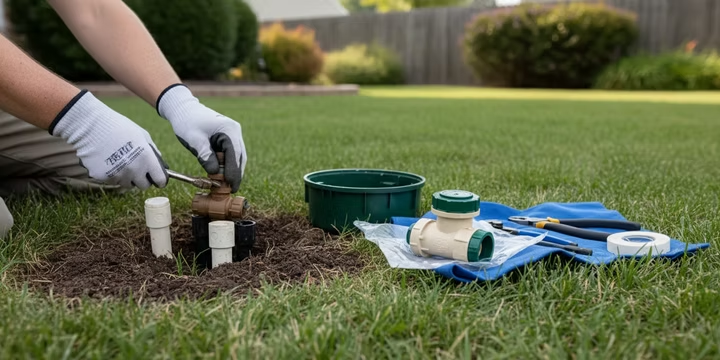
A faulty sprinkler valve can be the hidden culprit behind a host of irrigation headaches, from zones that won’t turn on to mysterious soggy spots in your lawn. For many homeowners, a broken Toro valve is a common issue. Learning how to replace a Toro sprinkler valve is a manageable task that can save you time and money. The process involves shutting off the water and power, digging out the valve box, removing the old valve, and installing the new one using watertight connections. This guide breaks down every step you need to replace a Toro sprinkler valve safely and effectively. If the job seems too complex, remember that local experts like M&M Sprinklers are always ready to help.
Safety and Preparation Essentials
Before you even think about digging, safety must be your top priority. Working with irrigation systems involves both water and low voltage electricity, so taking a few precautions is non negotiable. First and foremost, always shut off the main water supply to your irrigation system. This is typically done via a shutoff valve located near your water meter or where the sprinkler system plumbing begins. Next, unplug your sprinkler system controller or switch off the corresponding circuit breaker. This prevents any electrical signals from being sent to the valves while you are working. It’s also wise to wear waterproof gloves and eye protection to guard against dirt, debris, and potential water spray.
Tools and Materials Checklist
Having the right tools on hand makes the job to replace a Toro sprinkler valve much smoother. You don’t need a professional workshop, but a few key items are essential.
- New Toro Sprinkler Valve: Ensure it matches the type and size of the old one.
- Shovel or Trowel: For digging out the valve box.
- PVC Pipe Cutters or a Hacksaw: For cutting the old valve out.
- Wire Strippers and Cutters: For handling the low voltage wiring.
- Waterproof Wire Connectors: Crucial for protecting electrical connections from moisture.
- PVC Primer and Cement: If you are using slip fittings.
- Teflon Tape: For threaded connections to ensure a watertight seal.
- A Bucket or Towel: To manage residual water and mud.
- Multimeter (Optional): Useful for confirming electrical issues with the old solenoid.
Identify Your Toro Valve Type and Size
Toro manufactures several types of sprinkler valves, and it’s critical to get the right replacement. The most common residential valves are either inline (where the pipe enters one end and exits the other) or anti siphon (which includes a built in backflow prevention mechanism). Most modern systems in areas like Lubbock use inline valves housed in a green rectangular or circular box buried in the yard.
Check the old valve for a model number. Common Toro models include the TPV, EZ Flo Plus, or Jar Top series. The pipe size, typically 3/4 inch or 1 inch for residential systems, will also be printed on the valve body or the connected PVC pipes. Getting an identical replacement simplifies the process, as the dimensions will match perfectly, minimizing the need for extra pipe and fittings.
Locate the Faulty Valve and Confirm the Diagnosis
Before you replace a Toro sprinkler valve, you need to be certain it’s the source of the problem. Symptoms of a failed valve include a zone that won’t turn on, a zone that won’t shut off, or visible leaking in the valve box. You can often locate the correct valve box by tracing the general direction from the problematic sprinkler heads back toward the water source.
Once you find the box, open it and look for signs of trouble. You might see standing water, a cracked valve body, or loose wires. To confirm an electrical failure, you can use the manual bleed screw on the valve to see if the zone turns on manually. If it does, the problem likely lies with the solenoid or the wiring. If you’re unsure, a professional irrigation technician from M&M Sprinkler and Tree Services can perform a quick diagnostic.
Shut Down and Prep the Work Area
With the faulty valve identified, it’s time to prepare for the replacement. Double check that the main water line to the irrigation system is turned off. It’s a good idea to run the problematic station for a minute from the controller after shutting the water off to relieve any remaining pressure in the line.
Carefully dig around the valve box to give yourself ample room to work. Once the lid is off, use a trowel or your hands to clear out mud, roots, and debris from around the valve manifold. You need a clear view and unobstructed access to the pipes and wires connected to the valve you intend to replace.
Post Install Testing and Fine Tuning
After you replace the Toro sprinkler valve and the PVC cement has fully cured (check the product label for cure times, typically at least an hour), it’s time to test your work. Turn the main water supply back on slowly. Listen and watch for any hissing sounds or drips from the new connections. If you spot a leak at a threaded fitting, you may need to tighten it or reapply Teflon tape. A leak at a glued PVC joint is more serious and may require redoing the connection.
Once you’ve confirmed there are no leaks, manually activate the new valve using the bleed screw. Watch the sprinkler heads in that zone to ensure they pop up and spray correctly. Then, proceed to your controller and run a test cycle for that specific zone to confirm the electrical connections are working.
Update Your Controller and Labels
This is a small but important step. If you have a diagram of your sprinkler zones taped inside your controller box, make sure it’s still accurate. If you replaced valve number three, ensure zone three on your controller still corresponds to the correct area of your lawn. This prevents confusion later when you need to make seasonal adjustments or troubleshoot another issue. For those with smart controllers like the Hunter Hydrawise, you can add notes directly in the app about the recent repair.
Troubleshooting After Replacement
Sometimes, things don’t go perfectly. Here are a few common issues and how to fix them:
- The new valve doesn’t turn on: Double check the wiring. Ensure the wire connectors are secure and making good contact. Verify that the solenoid is fully tightened.
- The zone leaks or weeps: This often points to debris trapped inside the new valve. You can sometimes flush it by activating the manual bleed screw fully for a minute. If that fails, you may have to disassemble the valve to clean the diaphragm.
- Low pressure in the zone: Check that the valve’s flow control handle (if it has one) is fully open. Also ensure the main shutoff valve is completely open.
If you’ve tried these steps and are still facing problems after you replace a Toro sprinkler valve, it might be time for a professional opinion. M&M Sprinklers specializes in fixing complex irrigation issues, from low pressure problems to tricky electrical faults.
Maintenance and Seasonal Tips
To extend the life of your new Toro valve and the entire system, regular maintenance is key. In West Texas, seasonal adjustments are crucial. This includes spring startups to check for winter damage and fall adjustments to prepare for cooler weather.Consider a maintenance plan, which often includes a full system checkup, cleaning of heads and filters, and programming adjustments to optimize water use. These plans can prevent small issues from becoming costly repairs down the road.
Time, Cost, and When to Call a Pro
For a homeowner with some DIY experience, the task to replace a Toro sprinkler valve can take anywhere from one to three hours. The cost of a new Toro valve itself is relatively low, typically ranging from $15 to $30 at a local hardware or irrigation supply store.
However, you should call a professional if:
- You are not comfortable working with plumbing or electrical wiring.
- The valve is in a difficult to reach location or the manifold is complex.
- You suspect the problem might be a broken pipe underground and not just the valve.
- You have a persistent issue that multiple DIY attempts haven’t fixed.
A professional company like M&M Sprinklers has the diagnostic tools and experience to solve the problem quickly and correctly, ensuring your landscape gets the water it needs.
Conclusion
Successfully being able to replace a Toro sprinkler valve can restore your irrigation system’s efficiency and give you peace of mind. By following a careful, step by step process and prioritizing safety, many homeowners can tackle this repair. However, it’s also important to know your limits. For complex diagnostics, stubborn leaks, or if you simply prefer an expert touch, the licensed irrigators and certified arborists at M&M Sprinkler and Tree Services are ready to help. They can ensure your entire landscape, from the soil to the trees, works in harmony. Visit mmsprinklerslbk.com to schedule a service call.
FAQ
How do I know if my Toro sprinkler valve is bad?
Common signs of a bad valve include a sprinkler zone that won’t turn on, a zone that stays on continuously, or a visible leak in and around the underground valve box. You can often confirm it by trying the manual bleed screw on the valve; if the zone works manually but not automatically, the solenoid or wiring is likely the problem.
How long does a Toro sprinkler valve last?
With proper installation and winterization, a Toro sprinkler valve can last 10 to 15 years. However, factors like water quality, pressure spikes, and physical damage can shorten this lifespan significantly.
Can I replace just the solenoid on a Toro valve?
Yes, in many cases, if the valve body itself is not cracked, you can simply unscrew the old solenoid and replace the solenoid with a new one. This is much faster and easier than a full valve replacement. Just be sure to turn off the water and unplug the controller first.
What is the difference between a 3/4 inch and 1 inch valve?
The size refers to the diameter of the inlet and outlet ports on the valve, which corresponds to the size of the PVC pipe in your system. Most residential sprinkler systems use either 3/4“ or 1“ pipes and valves. You must replace your valve with one of the same size.
Is it difficult to replace a Toro sprinkler valve?
For someone with basic DIY plumbing experience, it is a moderately easy task. The biggest challenges are digging in compact soil and ensuring the new connections are watertight. If you are not confident, calling a professional is a wise choice to avoid causing a larger leak.
Why does my sprinkler system have low pressure after I replace a Toro sprinkler valve?
After you replace a Toro sprinkler valve, low pressure could be caused by a few things. The flow control stem on the new valve might not be fully open, the main water valve might not be fully turned back on, or there could be a leak in one of the new connections.
Should I use glue or threaded connections for my new valve?
This depends on the existing setup and the type of replacement valve you purchase. Many professionals prefer glued (slip) connections for their durability, but threaded adapters can make future replacements easier. Both methods work well if done correctly with the proper PVC primer, cement, or Teflon tape.
Can I replace a Toro valve with a different brand?
Yes, you can generally replace a Toro valve with another brand like Hunter or Rain Bird, provided the pipe size and valve type (inline, anti siphon) are the same. However, using the same brand often ensures the dimensions are identical, which can make the plumbing much simpler.