
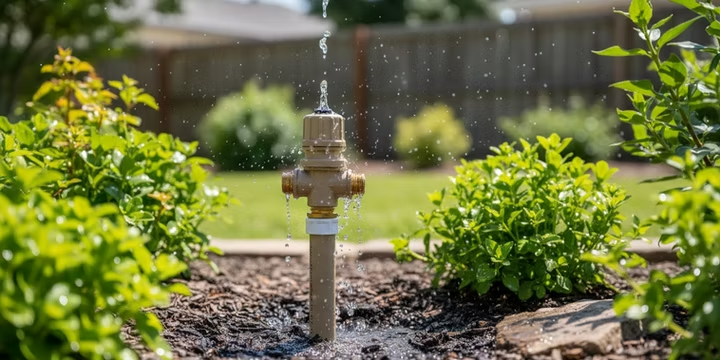
Notice a puddle around your sprinkler valve? Or maybe a constant, annoying spray every time your system runs? You’re likely dealing with a sprinkler valve leaking from the anti siphon component, a common issue for homeowners. This leak is typically caused by simple issues like a cracked plastic cap, a worn internal seal, or trapped debris. While it seems like a small problem, that constant drip wastes a surprising amount of water and, if left unchecked, can compromise the safety of your drinking water.
Fortunately, fixing a sprinkler valve leaking from the anti siphon is often a manageable DIY project. This guide walks you through everything from pinpointing the cause to making the repair, so you can get your irrigation system running efficiently again.
Diagnosing the Leak: Where Is the Water Coming From?
Before you can fix the leak, you need to play detective. The first step in any anti siphon sprinkler valve leak diagnosis is to identify the exact leak point. A leak’s location and timing tell you almost everything you need to know about the cause.
Dry the valve and the surrounding area completely, then run that specific sprinkler zone. Watch closely. Is water spraying from the very top? Seeping from the seam where the main parts connect? Or trickling from where the pipes attach? Answering this question is the key to a fast and accurate repair.
Common Culprits for a Leaking Anti Siphon Valve
Most leaks stem from a handful of common issues. Here’s what to look for when you have a sprinkler valve leaking from the anti siphon assembly.
The Obvious Leak From the Top Cap
If water is spraying or gushing from the top of the valve while the zone is on, the problem lies within the anti siphon mechanism itself. This is the most frequent type of leak.
Cracked Vacuum Breaker Cap
The plastic cap on top, known as the vacuum breaker cap or bonnet, is exposed to the elements. UV rays and, more commonly, freezing temperatures can cause it to crack. Any water trapped inside the valve can freeze and expand, splitting the plastic. A frozen bonnet and poppet assembly is one of the most common failures after a hard freeze.
Replacing the Vacuum Breaker Cap and Float
The good news is you rarely need to replace the whole valve for a cracked cap. Manufacturers sell repair kits that include a new cap and the internal float (or poppet). The process is simple: turn off the water, unscrew the old cap, remove the old float, clean any debris inside, and install the new parts. This single repair often stops the leak instantly. For part details and photos, see our sprinkler vacuum breaker replacement guide.
Debris Stuck in the Valve Seat
Sometimes the leak isn’t caused by a broken part, but by a tiny piece of dirt, sand, or grit. Debris can get lodged in the valve seat or on the diaphragm, preventing it from creating a watertight seal. This is an incredibly common reason a sprinkler valve leaks and often mimics the symptoms of a failed diaphragm.
Cleaning it out is straightforward. After shutting off the water, you’ll need to open the valve, remove the diaphragm, and wipe both the diaphragm and the valve seat clean with a soft cloth. A quick flush with a bit of water can help clear out any stubborn particles.
Diaphragm Failure When the Valve Is Off
Is one of your sprinkler zones constantly weeping or running, even when the system is off? This is a classic sign of diaphragm failure. The diaphragm is a flexible rubber seal inside the valve that controls water flow. Over time, this rubber can tear, warp, or degrade. A damaged diaphragm cannot seal properly, allowing water to seep through 24/7. In fact, worn out or broken rubber parts are the most common cause for valves that leak when they are supposed to be off.
Loose Bonnet or O Ring Leaks
If you see water leaking from the seam between the main valve body and the top cover (the bonnet), the culprit is likely a worn out O ring. This rubber gasket creates the seal between the two parts. Over time, these O rings can harden, crack, or get pinched.
First, try gently tightening the screws on the bonnet in a star pattern. If that doesn’t work, you’ll need to replace the O ring. Worn O rings and gaskets are a primary cause of sprinkler valve leaks, so replacing them is a simple and effective fix.
Solenoid O Ring Leaks
The solenoid is the small electrical cylinder on the valve that tells it to open and close. It has a small O ring at its base to prevent leaks. If this O ring fails, you’ll notice a slow seep around the base of the solenoid. Like other gaskets, this is an easy part to replace after you shut off the water and unscrew the solenoid. For a walkthrough, see how to replace a solenoid.
The Role of Installation and Water Pressure
Sometimes, a sprinkler valve leaking from the anti siphon mechanism isn’t due to a broken part, but a problem with the system’s setup.
High Water Pressure and Regulation
Your sprinkler system components are designed to operate within a specific pressure range, typically 30 to 50 PSI at the head. If your home’s water pressure is too high, it puts constant stress on the valves, diaphragms, and seals, leading to premature failure and leaks. Pressures over 80 PSI can damage plumbing fixtures, and many building codes require a pressure regulator if your supply exceeds this.
The solution is to install a pressure regulator. This device is installed on your main irrigation line and reduces the incoming pressure to a safe and efficient level, usually between 40 to 60 PSI. This simple upgrade prevents blowouts, stops sprinklers from misting, and can solve chronic leak problems. If you suspect high pressure is an issue, the team at M&M Sprinklers can perform a pressure test and install a regulator to protect your system. For more ways to stabilize pressure and save water, see our irrigation tune-up guide.
Incorrect Installation Height
Anti siphon valves have a critical installation rule: they must be taller than the highest sprinkler head in the zone. If a valve is installed too low, water will drain back down from the pipes after the system shuts off and trickle out of the anti siphon vent. You might notice it dribbles for a few minutes after the zone finishes and then stops.
The industry standard is to raise the valve above the highest head by at least 6 to 12 inches. This creates a necessary air gap that allows the valve to break the siphon and prevent backflow correctly. If your valve is installed in a box below ground, it’s not only incorrect but it also defeats the purpose of the anti siphon feature.
Your Step by Step Guide to Repairing the Leak
Ready to tackle the repair? Here’s a general workflow for fixing a leaking anti siphon valve.
- Turn Off the Water and Relieve Pressure: This is the most important safety step. Find the irrigation system’s shutoff valve and close it. Then, relieve the trapped pressure by running a zone for a few seconds or by slightly turning the bleed screw on the valve.
- Disassemble the Bonnet: Use a screwdriver to remove the screws holding the top cover (the bonnet) of the valve. Lift it off carefully, paying attention to the spring and diaphragm underneath. Taking a quick photo with your phone can help you remember how it goes back together.
- Inspect and Clean the Diaphragm: Remove the diaphragm and its spring. Inspect the rubber for any tears, holes, or warping. Clean any debris from the diaphragm and the valve body, especially the valve seat where the diaphragm seals.
- Replace Gaskets and Diaphragm if Needed: If the diaphragm is damaged, replace it with a new one designed for your valve model. This is also the perfect time to replace the bonnet O ring and any other accessible gaskets. A fresh O ring gasket is a cheap and easy way to prevent future leaks.
- Reassemble and Test: Carefully put the valve back together, making sure the diaphragm is seated correctly and the spring is in place. Tighten the bonnet screws in an even, alternating pattern. Slowly turn the water back on and watch for leaks. Finally, run the zone to confirm the valve operates correctly and the original leak is gone.
Making the Call: Repair or Replace?
Should you fix the valve or just replace the whole thing? Here’s how to decide.
- Repair It If: The problem is a single, inexpensive part like a diaphragm, an O ring, or a vacuum breaker cap. If the valve is relatively new and the body is in good shape, a simple repair is the most cost effective option.
- Replace It If: The valve body itself is cracked, you have multiple failed components (like a bad diaphragm and a bad solenoid), or the valve is very old and parts are hard to find. Sometimes, the cost of multiple repair kits can approach the price of a brand new valve. For example, some replacement cap kits can cost over 60% of what a new valve would. For typical Lubbock pricing, check our sprinkler valve repair cost guide.
An Orbit anti siphon valve replacement is a common DIY project, as these valves are widely available. The process involves cutting the old valve out of the PVC pipe, cleaning the connections, and cementing a new valve in its place. Use this step‑by‑step valve manifold replacement guide to plan the swap.
If you’re in the Lubbock area and find yourself wondering whether to repair or replace, you can always get a professional opinion. The experienced technicians at M&M Sprinklers can diagnose the issue and recommend the most practical, long term solution for your system.
A sprinkler valve leaking from an anti siphon port is a fixable problem. With a little investigation and the right parts, you can stop the waste and restore your irrigation system to perfect working order. Prefer hands‑off care? Explore our maintenance plans for ongoing checkups and seasonal adjustments.
Frequently Asked Questions
Why is my sprinkler valve leaking from the anti siphon port only when the system is off?
This is usually a sign that the valve’s diaphragm is worn out or has debris stuck under it. The diaphragm is what holds the water back when the valve is closed. If it can’t create a perfect seal, water will constantly seep through and often exit through the path of least resistance, which can be the anti siphon vent.
What is the average cost to fix a leaking sprinkler valve?
The cost can vary greatly. A simple DIY repair might only cost $10 to $20 for a diaphragm or cap replacement kit. If you hire a professional, the cost will include the service call fee and labor, which could range from $75 to $200 or more, depending on the complexity of the repair and your location.
Can I just glue or tape a cracked anti siphon valve cap?
This is not recommended. The cap is under constant pressure when the system is running, and glue or tape will not create a lasting or safe seal. It also might clog the anti siphon mechanism, defeating its purpose of protecting your drinking water. The correct fix is to replace the cap assembly.
How do I know if my water pressure is too high for my sprinklers?
Signs of high pressure include sprinkler heads misting or fogging instead of spraying, frequent leaks from valves or fittings, and sprinkler heads blowing off the risers. You can buy a simple pressure gauge that attaches to a hose bib to get an exact reading of your home’s static water pressure.
Why does my anti siphon valve spit water when it first turns on?
A brief spurt of water when the zone first pressurizes can be normal, as air is purged from the cap. However, if it continues to spray or leak while the zone is running, it indicates a problem with the internal poppet or float not sealing correctly.
Is it necessary to have an anti siphon valve?
In most places, yes. Plumbing codes require a backflow prevention device on irrigation systems to prevent contaminated water from the lawn (carrying fertilizers, pesticides, and bacteria) from being siphoned back into your home’s potable water supply. The anti siphon valve is a common and effective type of backflow preventer. If you’re in Lubbock, you can schedule required backflow testing with our certified team.
What is the difference between an anti siphon valve and an inline valve?
An anti siphon valve combines a control valve and a backflow preventer in one unit and must be installed above ground, at least 6 to 12 inches higher than the highest sprinkler head. An inline valve is just a control valve and is typically installed below ground in a valve box. Systems with inline valves require a separate, dedicated backflow prevention device (like a pressure vacuum breaker or double check valve) installed for the entire system. Many systems use an RPZ backflow preventer. See our RPZ backflow preventer guide for details.
Can I replace an anti siphon valve myself?
Yes, for homeowners comfortable with basic plumbing, replacing an anti siphon valve is a very manageable project. It typically involves shutting off the water, cutting PVC pipe, and using PVC primer and cement to install the new valve. However, if you’re not confident in your skills, calling a professional is always the safest bet. For reliable sprinkler repair in Lubbock, contact M&M Sprinklers to ensure the job is done right.