
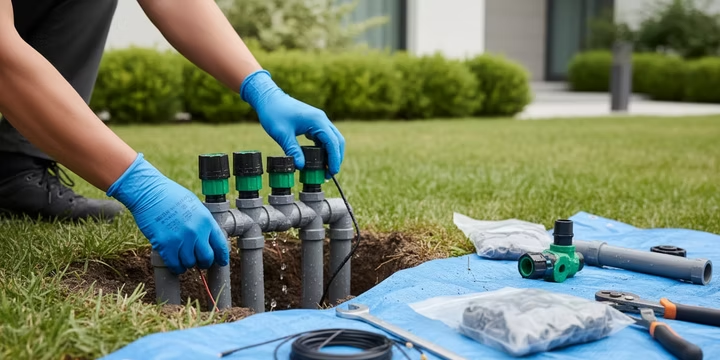
A leaky or broken sprinkler valve manifold can turn your yard into a swamp and send your water bill through the roof. The manifold is the control center for your entire irrigation system, a collection of valves that directs water to each specific zone. When it fails, everything downstream suffers.
The good news: replacing sprinkler valve manifold assemblies is a project many homeowners can handle. The process involves shutting off the water, removing the old manifold, assembling and installing the new components, and thoroughly testing the system for leaks. This guide covers every step, including how to select the right transition adapters for your pipe type, add valves during a rebuild, label zones properly, and fix a leaking valve without replacing the whole assembly.
If you’d rather skip the DIY route, M&M Sprinklers Lubbock has been handling valve manifold work in West Texas since 1987.
Preparing for the Job
Proper preparation is the key to a smooth and successful project. Before replacing sprinkler valve manifold components, get the site ready and gather your tools.
Shut Off the Water Supply
This is the most critical first step. Close the valve that feeds your irrigation system to prevent flooding the work area. Most systems have a dedicated shutoff, often a ball valve with a lever handle, located near your backflow preventer or where the sprinkler lines branch off from your main supply. If you can’t find a dedicated valve, you may need to shut off water to the entire house at the meter.
Relieve System Pressure
Even with the water off, pressure remains trapped in the pipes. Relieve it by opening a zone valve manually or loosening a bleed screw. Also turn your sprinkler controller to the “off” position so it doesn’t attempt to run a cycle while you’re working. If your controller isn’t responding, check out this irrigation controller repair guide before proceeding.
Expose the Existing Manifold and Valve Box
Your sprinkler valves sit inside a plastic box, usually with a green lid, buried in your lawn or garden bed. Remove the lid. Over time, the box fills with dirt, mud, and water. Carefully dig out any debris and bail or pump out standing water to create a clean, dry workspace.
Label and Disconnect Valve Wires
Each automatic valve solenoid has two low voltage wires. Before disconnecting anything, label each wire pair with its corresponding zone number using tape. This simple step saves a major headache during reassembly. The wires are typically joined with waterproof connectors filled with silicone or grease. Gently twist these connectors off to separate the wires. Sprinkler valve wires are non polarized, so either lead can connect to the common or zone line.
Removing the Old Manifold
With the prep work done, it’s time to take out the old, faulty components. This part of replacing sprinkler valve manifold hardware reveals exactly what went wrong.
Disassemble the Old Manifold Assembly
If your manifold has multiple leaks or is cracked from frost, it’s usually best to replace the entire assembly. In West Texas, freeze damage is a real concern, so review the winterization guide before the next cold snap. If your system uses unions, you can simply unscrew them. For parts glued together with PVC cement, you’ll need to cut the pipes with a PVC saw.
Inspect Components for Cracks or Wear
Take a moment to examine the old parts. Look for hairline cracks in valve bodies or PVC fittings, which are a common leak source. Check the rubber diaphragms inside the valves for tears or stiffness. This inspection helps you understand the failure and ensures you replace all damaged components.
Loosen the Union and Remove a Faulty Valve
If your manifold has unions, removing a single bad valve is straightforward. A union is a three piece fitting that lets you disconnect pipes without cutting. Unscrew the large swivel nut on the union to release the valve. If a fitting is stuck, apply a penetrating oil and wait about 30 minutes.
Fixing a Leaking Valve on the Manifold
Sometimes you don’t need to commit to fully replacing sprinkler valve manifold setups. A single leaking valve is one of the most common problems homeowners face, and in many cases it can be fixed in place. Practitioners on Reddit report that roughly half the time a “manifold replacement” is actually just a valve diaphragm or solenoid issue that can be resolved without major plumbing work.
Diagnose the Source of the Leak
Before tearing anything apart, figure out exactly where the water is coming from. A leak at the threaded connection between the valve and the manifold pipe means the fitting needs resealing, not a new valve. A leak from the valve body itself (the seam between the top and bottom halves) usually points to a worn diaphragm or cracked housing. Water seeping from the solenoid area often means the solenoid needs replacement or the O ring beneath it has deteriorated.
Replace the Diaphragm or Internal Components
Turn off the water and relieve system pressure. Unscrew the top of the valve (usually held on by 6 to 8 screws or a bonnet nut). Remove the old diaphragm and spring assembly. Inspect the valve seat for scoring or mineral deposits. Clean the seat with a cloth, then install a new diaphragm kit (usually $5 to $15 per valve). According to Irrigation Tutorials, most residential valve brands use readily available rebuild kits that include all internal seals.
Reassemble the valve, hand tighten all screws evenly, and test. If the valve body itself is cracked, a rebuild won’t help, and you’ll need to swap in a replacement valve.
Reseal a Leaking Threaded Connection
If the leak is at a threaded joint, unscrew the valve from the manifold. Clean all old PTFE tape or sealant off both the male and female threads. Apply fresh PTFE tape (3 wraps clockwise on the male threads) or use a pipe thread sealant rated for plastic. Reinstall the valve, hand tighten, then give it one to two additional turns with a wrench.
For a deeper look at valve leak troubleshooting, check out the sprinkler valve leak diagnosis guide.
Choosing and Preparing Your New Components
When replacing sprinkler valve manifold parts, selecting the right components determines how long your repair lasts and how easy future maintenance will be.
Pre Built Manifold vs. Custom PVC
You have two main choices. A pre built manifold is a ready made kit with valve ports already arranged, often connected with O ring seals and unions that need no glue. Fast and convenient. A custom PVC manifold is one you build from individual pipes and fittings. More flexible and often cheaper, but it requires more labor and precision.
Choose Manifold Material
Traditional PVC manifolds use primer and cement to create solvent welded joints. Reliable and cost effective. Push fit systems let you simply press the pipe into a fitting to create a watertight seal with an O ring and locking clips. Faster, no glue, no drying time. Many DIYers on YouTube walkthroughs praise push fit systems for manifold work specifically because they can be disassembled later if a valve needs swapping.
Selecting the Right Transition Adapter for PVC, Poly, or Threaded Pipe
This is where many DIY projects involving replacing sprinkler valve manifold assemblies go wrong. Older irrigation systems, especially in West Texas, often use a mix of pipe materials. Your mainline might be PVC Schedule 40, but your lateral lines could be polyethylene (poly) pipe, and some older valves may have threaded brass fittings. You need the correct transition adapter for each connection type.
PVC to PVC: Standard slip fittings with solvent welding, or threaded adapters with PTFE tape. The simplest scenario.
PVC to Poly Pipe: Use a barbed insert fitting that pushes into the poly pipe and is secured with a stainless steel clamp. The other end of the adapter is either a slip or threaded PVC connection. According to Hunter Industries’ technical guide, the barbed fitting should match the inside diameter of the poly pipe, and clamps must be tightened firmly without crushing the pipe wall.
Threaded to Slip: Male or female threaded adapters (often called MTA or FTA fittings) allow you to bridge threaded and slip connections. Always use PTFE tape on the threaded side and solvent weld the slip side.
Mixing Materials: When connecting dissimilar materials, use a dielectric or brass transition fitting if you’re bridging metal and plastic. Metal to plastic threaded joints can crack plastic if overtightened.
One irrigation contractor shared in a YouTube walkthrough that the single most common callback after a DIY manifold replacement is a leaking poly to PVC transition because the homeowner used the wrong size barb fitting. Measure the inside diameter of your poly pipe before buying adapters.
Ensure Valve and Manifold Compatibility
Your new parts must fit together. Check the following:
- Size: Most residential sprinkler valves and pipes are 3/4 inch or 1 inch. Make sure valves and manifold fittings match.
- Thread Type: Most US sprinkler components use NPT (National Pipe Thread). Mismatched threads will not seal and will leak.
- Material: Stick with compatible materials. Schedule 40 PVC is a safe bet for custom builds.
Size the Manifold and Add Valves During a Rebuild
The manifold needs one valve per zone. But a rebuild is the perfect time to plan ahead. If you’ve been thinking about expanding coverage to a new flower bed or adding a drip irrigation zone, install a manifold with one or two extra ports now.
Cap the unused ports with a threaded plug and PTFE tape. When you’re ready to add a zone later, you simply remove the cap, install a new valve, and run your lateral line. This is dramatically easier than cutting into a finished manifold to splice in another valve. For full details on expansion, see how to add a new zone to an existing system.
When adding a valve to an existing manifold during a rebuild, make sure the new valve matches the brand or at least the port size and flow characteristics of your other valves. Mixing a 3/4 inch valve into a 1 inch manifold creates a restriction that can reduce pressure for that zone.
Clean Pipe and Fittings Before Assembly
Whether you’re gluing or threading, parts must be clean. Wipe away dirt, moisture, or old PVC shavings. For threaded connections, remove all remnants of old sealant tape. Debris prevents proper sealing and can get into your system and clog sprinkler heads.
Assembling and Installing the New Manifold
This is where the project comes together. Careful assembly is what separates a leak free result from a weekend of frustration when replacing sprinkler valve manifold systems.
Assemble with Correct Valve Spacing and Alignment
Leave enough space between valves for easy hand or wrench access during future repairs. Everything should be straight and level. A stressed joint is far more likely to fail and leak over time. Most irrigation professionals recommend at least 4 inches between valve centers for comfortable service access.
Support the Manifold During Solvent Welding
When you apply PVC cement, the joint is temporarily soft and can be pushed out of alignment by the weight of the components. Use bricks, blocks, or clamps to support the manifold and keep everything straight while the cement sets.
Apply Thread Sealant on Threaded Connections
For any threaded connection, use a sealant to prevent leaks. PTFE tape (plumber’s tape) or a pipe sealant paste designed for plastics both work. When using tape, wrap it clockwise around the male threads 2 to 3 times. This fills the tiny gaps in the threads, creating a watertight seal.
Use PVC Primer and Cement on Slip Connections
For slip (non threaded) PVC connections, apply PVC primer first to clean and soften both the pipe and fitting surfaces. Immediately apply PVC cement to both surfaces and push the pipe into the fitting with a quarter turn twist. Hold firmly for about 30 seconds as the weld begins to set. According to Oatey’s technical data, primer is not optional for pressure applications, and skipping it is a leading cause of joint failure.
Avoid Cross Threading
Cross threading happens when threads are misaligned, which can permanently damage plastic fittings. Always start threading by hand. If you feel resistance, back it off and try again. Once hand tight, use a wrench for only one to two additional turns.
Attach the Union to the Replacement Valve
If you’re using unions, attach one half to the new valve. Confirm the rubber O ring is in place, as this creates the waterproof seal. Be careful not to overtighten and crack the plastic.
Install with Correct Flow Direction
Sprinkler valves are directional. Look for an arrow on the valve body indicating the direction of water flow. The arrow must point away from the main water supply and toward the sprinkler heads for that zone. Installing a valve backward prevents it from closing properly, which leads to constant water flow in that zone.
Labeling Each Valve by Zone for Identification
This step gets skipped constantly, and it causes real problems down the road. Six months from now, when a zone isn’t working properly, you don’t want to be standing over the valve box guessing which valve controls the front yard versus the back beds.
Why Labeling Matters
Most residential manifolds have 3 to 8 valves packed into a relatively small space. They all look identical. Without labels, troubleshooting requires running each zone from the controller while someone watches the manifold, a two person job that wastes time. Practitioners on irrigation forums consistently rank “unlabeled valves” as one of the top frustrations when doing service calls on systems they didn’t install.
How to Label Valves Effectively
Use one of these methods:
- Plastic plant tags or zip tie labels: Write the zone number with a permanent marker on a plastic tag and zip tie it to the valve or its wiring. Cheap and effective.
- Numbered valve tags: Available at irrigation supply stores, these are small numbered plastic discs designed to clip onto valve wires or solenoids.
- Engraved or embossed tags: For a more permanent solution, use metal or UV resistant plastic tags with stamped numbers. These won’t fade from sun exposure.
Whatever method you choose, also record the layout. Snap a photo of the finished manifold with labels visible and save it to your phone or tape a diagram inside the valve box lid. This kind of documentation makes future maintenance or professional service visits far easier.
If you’re also dealing with wiring issues, label both the valve and the wire pair with matching zone numbers. Color coded tape works well for this.
Final Connections and Testing
The finish line. Properly completing this phase of replacing sprinkler valve manifold units ensures your hard work pays off with a reliable, leak free system.
Reconnect Sprinkler Wires with Waterproof Connectors
Reconnect the labeled zone wires to your new valves. Twist the ends together and secure them with a new waterproof, grease filled connector. These special connectors are essential because valve boxes get wet regularly, and standard wire nuts corrode and fail quickly.
Allow PVC Cement Cure Time Before Pressurizing
Patience matters here. A joint may feel solid in minutes, but it needs more time to reach full strength. For typical residential pipes (3/4 inch to 1 inch), wait at least 2 hours before introducing water pressure. Waiting 24 hours is best practice. Pressurizing too early can blow the fittings apart, and you’ll be starting over.
Turn On the Water and Check for Leaks
Slowly turn the main water supply back on to avoid a sudden pressure surge. Carefully inspect every new joint, union, and fitting for drips or sprays. Even a pinhole leak can waste over 264 gallons of water per day according to the USGS. If you suspect hidden leaks elsewhere in your system, here’s how to find a leak in a sprinkler system.
Tighten Connections and Pressure Test
If you spot a leak at a threaded joint, try a gentle quarter turn with a wrench. If a glued joint is leaking, it will unfortunately need to be cut out and redone. Once the manifold appears dry under pressure, run each sprinkler zone one by one from the controller to confirm everything works as it should.
If you’re struggling with persistent leaks or something just doesn’t seem right, professional help can save hours of frustration. M&M Sprinklers offers repair services that can diagnose and fix stubborn issues quickly.
Flush Each Zone to Remove Debris
After any plumbing work, small bits of dirt, PVC shavings, or excess glue can get into the pipes. This debris easily clogs sprinkler heads. Flush each zone by running it for a few minutes with the nozzle of the furthest sprinkler head removed. This purges debris from the line and protects your system.
Place the Manifold in an Accessible Valve Box with Drainage
Place a correctly sized valve box over your new manifold, ensuring the lid sits flush with the ground. Add a few inches of gravel at the bottom of the box for drainage so water doesn’t pool around your new valves. A properly installed box protects the manifold and makes future service much easier.
Frequently Asked Questions About Replacing Sprinkler Valve Manifold
1. How long does replacing sprinkler valve manifold assemblies take? For a DIYer, replacing a 3 to 4 zone manifold can take between 2 to 5 hours, not including PVC cement cure time. A professional typically completes the job faster.
2. Can I replace just one valve instead of the whole manifold? Yes. If only one valve is faulty and your manifold has unions (or enough space to cut and splice a new valve in), you can replace just the single component. Often a diaphragm rebuild is all that’s needed, which avoids replacing sprinkler valve manifold units entirely.
3. What are the most common signs I need a replacement? Zones that won’t turn on or off, visible leaks or pooling water around the valve box, a significant pressure drop in one zone, or a system that runs constantly even when the controller is off. For a broader checklist, see these signs your sprinkler system needs repair.
4. What is the average cost for replacing sprinkler valve manifold systems? DIY replacement typically costs $50 to $150 in parts. Professional replacement ranges from $250 to $600 or more, depending on zone count and complexity.
5. Is it better to use a pre built manifold or build a custom one? Pre built manifolds are faster and easier for beginners. Custom PVC manifolds offer more flexibility for unusual layouts and can cost less. The best choice depends on your skill level and specific needs.
6. How do I pick the right transition adapter for my pipe type? Measure the inside diameter of your existing pipe and identify the material (PVC, poly, or threaded metal). Use a barbed insert with a clamp for poly pipe connections, slip adapters for PVC, and threaded adapters with PTFE tape for threaded connections. When in doubt, bring a cut section of your old pipe to the hardware store and match it.
7. Why is my new sprinkler manifold still leaking after replacing sprinkler valve manifold parts? The most common culprits: joints that weren’t given enough cure time, threaded connections that were cross threaded or not sealed with tape, a cracked fitting from overtightening, or the wrong transition adapter for your pipe material. If you’ve checked everything and still can’t find the source, it’s time to call a professional. For reliable diagnostics and repair, contact M&M Sprinklers Lubbock.