
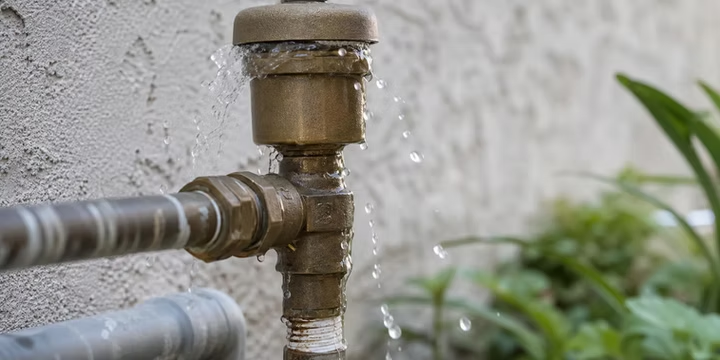
TL;DR
A vacuum breaker leaking on your sprinkler system usually means worn seals, freeze damage, or debris fouling the internal poppet. A small spurt of water when the system first turns on is normal. A continuous leak is not, and it signals that internal components need repair or the entire unit needs replacement. In Texas, a leaking vacuum breaker is also a code compliance issue that can affect your water service.
What Is a Vacuum Breaker and Why Does Your Sprinkler System Have One?
A vacuum breaker is a backflow prevention device installed between your home’s water supply and your irrigation system. Its job is straightforward: it admits air into the plumbing line whenever water pressure drops, breaking any siphon that could pull contaminated water backward into your drinking supply. Without it, fertilizer residue, pesticide chemicals, and soil bacteria could get sucked into the potable water line during a pressure drop.
Every residential sprinkler system connected to a municipal water supply needs some form of backflow prevention. In most cases, that device is a vacuum breaker mounted above ground, usually near the side of the house or garage. Many homeowners don’t even know it’s there until it starts leaking.
If your vacuum breaker is leaking from the sprinkler system’s backflow assembly, you’re dealing with one of the most common irrigation problems in residential systems. Understanding the device, its parts, and what makes it fail will help you decide whether to grab a $20 repair kit or call a professional.
→ For a full walkthrough on diagnosing PVB leaks, see our guide to diagnosing and fixing PVB leaks.
Types of Vacuum Breakers Used on Sprinkler Systems
Not all vacuum breakers are the same. Three types show up on residential and commercial irrigation systems, and each has different capabilities, installation requirements, and failure points.
The PVB is what most homeowners are dealing with. The Wilkins 720A and Febco 765 are two of the most common models installed on residential systems, particularly across Texas.
One critical distinction that trips people up: a vacuum breaker only protects against back-siphonage (when pressure drops pull water backward). It does not protect against backpressure, which is when downstream pressure exceeds supply pressure. Systems with chemical injection or significant elevation changes may need an RPZ assembly instead, which handles both conditions.
If you’re not sure whether your leaking device is a vacuum breaker or an anti-siphon valve on an individual zone, our guide on anti-siphon valve leaks covers that related problem.
What’s Inside a PVB (and What Breaks)
To understand why a sprinkler vacuum breaker is leaking, you need to know what’s inside it. A PVB has six main components:
Bonnet. The plastic cap on top. It’s designed to be the weakest point of the assembly, cracking during a freeze before the brass body does. This is intentional, a sacrificial part that’s cheap to replace.
Poppet. The spring-loaded disc that seals the air inlet during normal water flow. If you see a constant drip or spray from the top vent while the system runs, the poppet or its seal is almost always the culprit.
Check valve. A lower internal valve that prevents reverse water flow. When this fails, the device can’t pass a backflow test.
O-rings and seals. Rubber gaskets that sit between components. They degrade from heat, UV exposure, and age.
Test cocks. Small ports on the side of the body used by certified testers to verify the device is working. Sometimes these get left slightly open after testing, which creates a steady drip.
Brass body. The main housing. The internal valve seat is machined into this body and cannot be replaced separately. If the seat is scored or the body is cracked, the entire PVB must be replaced.
Why Your Vacuum Breaker Is Leaking: Common Causes
Several failure modes cause a vacuum breaker to leak on a sprinkler system. They fall into a few categories.
Environmental Damage
Sun and heat bake plastic bonnets and dry out rubber seals. Sand and grit ride with the water and scratch sealing surfaces over time. Cold snaps crack housings that sit full of water. Weed trimmers nick O-rings and fracture plastic caps. In West Texas, the combination of intense UV, abrasive well water, and occasional hard freezes creates the perfect storm for PVB failures.
One Texas homeowner on the TexAgs forum described their bonnet blowing off during a freeze “like a 4th of July firework.” They bought the replacement part from a local irrigation company and fixed it themselves after watching a video. That kind of freeze damage is extremely common.
Worn Seals and Internal Parts
Rubber seals and O-rings become brittle and crack over time, especially after years of Texas heat and UV exposure. The poppet spring can weaken. Mineral deposits can build up on sealing surfaces. These are the most frequent causes of a slow, persistent vacuum breaker leak on sprinkler systems.
Debris in the Valve
Sand, sediment, and small pebbles can lodge between the poppet and its seat, preventing a clean seal. This is especially common after repairs to the mainline or after a water main break in your neighborhood introduces sediment.
Installation Height Errors
A PVB must be installed at least 12 inches above the highest downstream sprinkler head. If someone adds a head uphill from the device, or if the original installation was measured incorrectly, the PVB is non-compliant and will weep. This is an often-overlooked cause of a vacuum breaker leaking on sprinkler systems that otherwise seem fine.
Post-Repair Mistakes
Forum discussions reveal a consistent pattern: homeowners replace the bonnet and poppet but still see leaking afterward. Practitioners on TexAgs report that the black O-ring can end up offset pretty easily, causing small leakage even on a freshly rebuilt unit. Multiple users also noted that overtightening the top nut can pinch the O-ring, creating the very leak you’re trying to fix.
Loose Test Cocks
After a backflow test or maintenance visit, test cocks that aren’t fully closed will drip nonstop. This is the easiest fix on the list: just snug them with a flathead screwdriver.
If you’re troubleshooting low water pressure in your zones, a leaking PVB could be the reason. Water escaping from the vacuum breaker reduces pressure downstream.
Normal Leak vs. Real Problem: How to Tell the Difference
This is the single most important distinction, and most articles skip it.
A small spurt of water when the system first turns on is normal. When a zone valve opens and water rushes through the PVB, air gets displaced and a brief spray from the bonnet area is expected. It should stop within a few seconds.
A continuous leak means something is wrong. If water keeps dripping, spraying, or streaming from the vacuum breaker while the system runs (or worse, while it’s off), you have a failed component.
Diagnostic Clues
A practical insight that most how-to content misses: a vacuum breaker leak keeps the wet spot tight to the device. If you see soggy ground or pooling water right around the PVB itself (not 30 feet away in the lawn), the vacuum breaker is almost certainly your problem.
Other signs include:
- Visible spray from the bonnet vent during operation
- Water dripping from the test cocks on the side
- A failed annual backflow test
- Reduced water pressure across multiple zones
- Water weeping from the device even when the system is off
Not sure the vacuum breaker is actually the source? Our guide on finding sprinkler system leaks walks through a systematic approach to narrowing down the problem.
Repair vs. Replace: A Decision Framework
When a Repair Kit Will Work
If the brass body is intact and the valve seat isn’t scored, a bonnet and poppet repair kit can fix most vacuum breaker leaks on sprinkler systems. These kits include a new bonnet, poppet with spring, O-rings, and sometimes a new check valve disc. They cost $15 to $30 for common models like the Febco 765 or Wilkins 720A and take about 20 minutes to install.
A verified buyer reviewing a Febco bonnet/poppet kit on Walmart put it bluntly: “Don’t pay a plumber, if your top cap broke off from freezing or it just was leaking from age.” For a straightforward seal replacement, that’s fair advice.
Just watch the O-ring seating. It’s the number one reason DIY repairs still leak afterward.
When You Need Full Replacement
The brass valve seat is part of the main body and cannot be replaced separately. If the seat is damaged, scored, or corroded, the entire PVB needs to come out. Same goes for a cracked brass body, which usually results from freeze damage that went beyond the sacrificial bonnet.
Other situations requiring full replacement:
- The device fails a certified backflow test even after internal parts are replaced
- Visible cracks in the brass housing
- Severe corrosion that compromises structural integrity
- The existing device is installed at the wrong height and can’t be corrected in place
→ Need a step-by-step replacement guide? See our vacuum breaker replacement guide.
Cost Ranges
One Reddit user in r/Plumbing reported being quoted $1,200 to upgrade from a PVB to a double check valve assembly. That’s a different device entirely, not a like-for-like replacement. Many homeowners don’t know what their backflow device is, which makes them vulnerable to upsells they may not need. Understanding the difference between device types protects your wallet.
Backflow Device Comparison: Vacuum Breakers vs. Other Options
Since confusion between device types is so common, here’s a clear comparison:
Double check valve assemblies are a better choice than vacuum breakers for higher-risk applications like fire sprinkler systems. Some jurisdictions have gone further: San Luis Obispo County in California stopped approving PVBs on new irrigation systems entirely, citing complicated installation requirements that result in improper installations. That hasn’t happened in Lubbock or elsewhere in Texas, but it illustrates how seriously regulators take proper backflow protection.
Lubbock and Texas Code Requirements: Why a Leaking Vacuum Breaker Is a Compliance Issue
A vacuum breaker leaking on your sprinkler system isn’t just wasting water. It’s a regulatory problem.
In Texas, the TCEQ requires a licensed Backflow Prevention Assembly Tester (BPAT) to check the backflow device when it’s first installed on an irrigation system. After that, periodic testing is required.
In Lubbock specifically, irrigation systems connected to the city’s water supply must have a backflow prevention assembly tested every one to three years, for both commercial and residential customers. Annual testing should be performed by a licensed BPAT tester. If the device fails, the property owner must have it repaired or replaced and retested by a certified tester.
Enforcement is real. Backflow testing is considered mandatory for water service, and enforcement actions are possible against property owners who don’t complete testing promptly.
This means a leaking PVB that can’t pass a test isn’t something you can ignore. The city can require you to fix it, and delaying puts your water service at risk.
For details on backflow testing in Lubbock, including what to expect during the process and how to stay compliant, we cover the full picture in our backflow preventer guide.
Preventing Future Vacuum Breaker Leaks
A few maintenance habits extend the life of your PVB and reduce the chance of another leak:
Winterize properly. Before the first hard freeze, drain or insulate your vacuum breaker. In West Texas, a single overnight freeze can crack an unprotected brass body.
Protect from physical damage. Weed trimmers are a surprisingly common cause of bonnet cracks and O-ring damage. A simple cage or barrier around the device helps.
Keep test cocks closed. After any backflow test or maintenance, verify that both test cocks are snugged shut.
Schedule periodic testing. Even outside of city requirements, a certified backflow test every couple of years catches internal failures before they become visible leaks.
Watch for sediment. If your water source is gritty (common with well water in West Texas), sediment can accelerate wear on sealing surfaces. A simple inline screen upstream of the PVB helps.
For a broader approach to keeping your system in shape, our seasonal sprinkler maintenance guide covers what to check and when throughout the year.
When to Call a Professional
Some vacuum breaker leaks on sprinkler systems are genuine DIY fixes. Replacing a bonnet and poppet kit is straightforward if the brass body is sound. But call a licensed professional when:
- The brass body is cracked or the valve seat is scored
- The device fails a backflow test after you’ve replaced internal parts
- You need the repair certified for city compliance
- The PVB needs to be relocated because it’s installed below the required height
- You’re not comfortable working with pressurized water lines
A licensed BPAT tester can test, repair, and certify the device in one visit, saving you the back-and-forth of a DIY attempt followed by a professional call anyway.
→ If your vacuum breaker needs professional repair or replacement in the Lubbock area, get in touch with our team for diagnosis, repair, and certified backflow testing.
Frequently Asked Questions
Is it normal for a vacuum breaker to leak a little when the sprinkler turns on?
Yes. A brief spurt of water from the bonnet area when a zone first activates is normal. Air is being displaced as water fills the line. If the leak stops within a few seconds, there’s no problem. A continuous leak during or after operation means a component has failed.
What is the most common cause of a vacuum breaker leaking on a sprinkler system?
Worn rubber seals and O-rings are the most frequent cause. Heat, UV exposure, and age make rubber components brittle and prone to cracking. Freeze damage to the bonnet is the second most common cause, particularly in climates like West Texas where hard freezes can strike suddenly.
Can I fix a leaking vacuum breaker myself?
In many cases, yes. If the brass body is intact, a bonnet and poppet repair kit ($15 to $30) fixes most leaks. The key pitfall is O-ring alignment. Practitioners on forums consistently report that a misaligned O-ring or overtightened top nut causes leaks on freshly repaired units. If the brass body is cracked or the seat is scored, DIY won’t work and you’ll need a full replacement.
How much does it cost to replace a vacuum breaker on a sprinkler system?
The PVB unit itself typically costs $100 to $300 for standard residential sizes (3/4“ or 1“). With professional labor, expect $200 to $600 total. In Texas, the device alone usually runs $120 to $170. A repair kit, by contrast, is $15 to $30 if the body is still good.
How often does a vacuum breaker need to be tested in Lubbock, Texas?
The City of Lubbock requires backflow prevention devices on irrigation systems to be tested every one to three years, depending on the device type. Testing must be performed by a licensed BPAT tester. If the device fails, you’re required to repair or replace it and have it retested before you’re considered compliant.
What’s the difference between a vacuum breaker and an RPZ backflow preventer?
A vacuum breaker (PVB or AVB) only protects against back-siphonage, which occurs when a pressure drop creates suction in the line. An RPZ (reduced pressure zone) assembly protects against both back-siphonage and backpressure, making it suitable for higher-hazard situations like chemical injection. RPZ devices are more expensive and require above-grade installation with adequate drainage.
My vacuum breaker leaks even when the sprinkler system is off. What does that mean?
Water flowing from the PVB when the system is off usually indicates a failed check valve inside the device, or a zone valve that isn’t closing properly and allowing water to back-feed through the system. Start by checking whether any zone valves are stuck open. If all valves are closing correctly, the PVB’s internal check valve likely needs replacement.
Can a leaking vacuum breaker cause low water pressure in my sprinkler zones?
Absolutely. Water escaping from the vacuum breaker before it reaches your zone valves reduces the volume and pressure available to your sprinkler heads. If you’ve noticed weak coverage across multiple zones, a leaking PVB is one of the first things to check.