
TLDR
Sprinkler system winterization is the process of removing or isolating water from your irrigation pipes, valves, and above-ground components before freezing temperatures arrive. Skipping it risks repair bills ranging from $170 to over $1,500, while professional winterization typically costs $60 to $125. In Texas, winterization doesn’t mean a full compressed-air blowout like northern states require. It means insulating your backflow preventer, shutting off the water supply, draining above-ground components, and verifying your freeze sensor works.
What Is Sprinkler System Winterization?
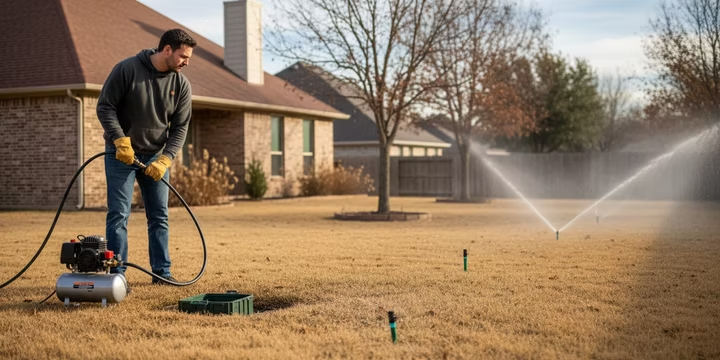
Sprinkler system winterization is the preparation of an irrigation system for cold weather by draining, insulating, or blowing compressed air through pipes and components so that no water remains trapped inside when temperatures drop below freezing.
The core problem is simple physics. Water expands roughly 9 to 10% when it freezes, and that expansion inside a closed pipe generates enormous pressure, up to 2,000 PSI in some cases. That’s enough to split commercial-grade PVC, crack brass valve bodies, and shatter the internal components of a backflow preventer.
Here’s what winterization is not: just turning off your controller. Shutting down the timer stops the system from running, but it doesn’t remove the water sitting in your pipes, valves, and above-ground fittings. That standing water is what freezes and causes damage.
Depending on where you live and how your system is built, winterization might involve draining valves by gravity, wrapping exposed components in insulated covers, or forcing compressed air through every zone. The method varies, but the importance of sprinkler system winterization stays constant anywhere temperatures dip below 32°F.
Why Winterization Matters: The Real Cost of Skipping It
The strongest argument for winterization is financial. The numbers make the case better than any scare tactic.
What You’ll Pay for Freeze Damage
According to repair cost data from irrigation contractors, a typical frozen sprinkler system repair runs $170 to $420 for most homeowners. But the range extends from $50 for a single cracked head up to $850 or more when multiple components fail. If your backflow preventer cracks (the most common expensive failure), you’re looking at $280 to $1,550 for replacement alone.
For commercial properties, the stakes climb even higher. Facility management companies report that full system replacements can cost tens of thousands of dollars depending on system size.
What Winterization Actually Costs
Professional winterization runs about $60 to $125 nationally, with the average sitting around $91 according to HomeAdvisor. That’s a 3x to 17x return on investment compared to replacing a single backflow preventer.
Put bluntly: spending $90 in November to avoid a $500+ bill in April is one of the easiest maintenance decisions a homeowner can make. If you need to justify the expense to a spouse or property manager, those numbers do the talking.
A seasonal maintenance plan makes the math even simpler. Plans that include winterization as part of recurring service visits spread the cost across the year while catching other problems early. For a closer look at what year-round irrigation care involves, see this seasonal sprinkler maintenance checklist.
The Damage You Won’t See Until Spring
One of the sneaky things about freeze damage is the delay. Pipes crack in December but sit underground, frozen, until March or April. You won’t discover the problem until you fire up the system for spring and find a geyser in your front yard, a zone that won’t turn on, or mysteriously soggy spots where a buried pipe split. By then, you’ve also lost months of potential early-season watering while you wait for a repair crew during the busiest time of year.
Components Most Vulnerable to Freeze Damage
Not every part of your sprinkler system faces the same freeze risk. Understanding which components are most exposed helps you prioritize your winterization efforts.
Backflow Preventers (Highest Risk, Highest Cost)
The backflow preventer sits above ground on most residential systems, which makes it the single most exposed component in the entire irrigation setup. Pressure vacuum breakers (PVBs) and reduced-pressure zone assemblies (RPZs) both hold water inside their bodies at all times, even when the system is shut off. One hard freeze can crack the housing, destroy internal check valves, or split the relief valve body.
Replacement costs for a damaged backflow preventer range from $280 to $1,550. In many Texas municipalities, backflow devices are required by city code, so you can’t just skip the replacement. For a deeper explanation of how these devices work and why they matter, read this guide to RPZ backflow preventers.
A North Texas irrigation company (Grassperson) makes the point clearly: PVBs are the main vulnerability in Texas because they hold water at all times, even when the system is off. If you winterize nothing else, winterize your backflow preventer.
PVC Mainlines and Lateral Pipes
Buried pipes are somewhat insulated by the soil around them, but in shallow trenches (common in Texas where frost lines are shallow) or where pipes run near the surface, freezing is a real possibility. A burst mainline can discharge hundreds of gallons before anyone notices. A standard 1-inch backflow preventer at normal pressure can push nearly 500 gallons in just 15 minutes if a connected line fails. Burst pipe repair typically costs $140 to $370. If you’re dealing with a cracked underground line, this broken sprinkler line repair guide walks through the fix.
Zone Valves and Solenoids
Water trapped inside a valve body expands and cracks the housing or warps the diaphragm. A cracked valve runs about $175 to replace. If the solenoid fails from freeze-related stress, the zone won’t activate at all. You can learn more about diagnosing and fixing valve leaks here.
Sprinkler Heads
Ice expansion inside the head body pushes internal seals and springs apart, causing heads to stick up, leak, or spray erratically. Replacement runs $50 to $110 per head, and systems with dozens of heads can see multiple failures from a single freeze event.
Winterization Methods Explained
There are three primary approaches to sprinkler system winterization. The right one depends on your climate, your system design, and whether your components are above or below ground.
Compressed Air Blowout
This method uses an air compressor to force all water out of the pipes at 40 to 80 PSI. It’s the standard winterization approach in the northern United States, where sustained below-freezing temperatures last for months. Texas A&M’s School of Irrigation notes that the blowout method is “most commonly used in the Northern United States” and that most Texas irrigation systems aren’t designed for it.
Over-pressurizing during a blowout (above 80 PSI) can damage components. Under-pressurizing leaves water behind. This is the main reason DIY blowouts carry risk.
Manual Drain
You open drain valves at the low points of the system and let gravity pull water out. This works in mild freeze zones where temps only occasionally dip below 32°F. The limitation is that lateral lines and heads uphill from the drain valve may retain water.
Automatic Drain
Systems with built-in auto-drain valves release water when system pressure drops below a threshold. It’s a hands-off approach, but it still leaves water in the mainline and backflow preventer. Those components need separate attention.
Insulation and Coverage
In Texas and other southern states, the primary winterization method involves wrapping above-ground components (backflow preventers, exposed PVC, valve boxes) in insulated covers. Combined with shutting off the water supply and draining above-ground fittings, this approach protects the most vulnerable points without the complexity of a full blowout.
When to Winterize Your Sprinkler System
The general rule is to winterize before nighttime temperatures consistently drop below 32°F. A single overnight dip to 28°F can damage exposed backflow preventers. You don’t need weeks of freezing weather for a problem to start.
Lubbock and West Texas Timing
Lubbock’s cold season runs approximately 2.8 months, from late November through mid-February. The coldest month is January, with an average low of 29°F. That average means plenty of individual nights drop well below freezing.
The City of Lubbock’s official irrigation guidelines are clear: irrigate only when temperatures are above 35°F, and “winterize your irrigation system and equipment before the first freeze to prevent leaks and costly repairs.” The city also advises insulating all above-ground pipes, valves, and backflow preventers.
For Lubbock homeowners, that means October is the time to start thinking about winterization, with everything buttoned up by early November at the latest.
Why Sprinkler System Winterization Importance Is Different in Texas
This is where most generic winterization articles get it wrong. They describe the full blowout process as universal, but Texas A&M explicitly states that “most landscape irrigation systems in Texas are not designed for a blow out.” The pipes, fittings, and connection points in most Texas systems simply weren’t built with compressed air service in mind.
What Texas Winterization Actually Involves
Based on TAMU guidance and practitioner recommendations, Texas winterization typically means:
- Shut off the irrigation controller so no watering cycles run during freezes.
- Close the irrigation water supply at the isolation valve.
- Insulate all exposed above-ground PVC with pipe wrap or insulated covers.
- Drain above-ground components, especially the backflow preventer.
- Verify your rain/freeze sensor is operational.
An irrigation professional on the TexAgs forum put it this way: there’s “no need to winterize your irrigation systems in Texas” the way northern states do, but he recommended purchasing insulated freeze covers for backflow preventers and running systems periodically during winter to keep things moving.
The 2021 Winter Storm Uri Reality Check
The most common objection to winterization in Texas is “I’ve never done it and my system is fine.” That was true for many homeowners, right up until February 2021. Winter Storm Uri brought unprecedented sustained cold to Texas, and irrigation systems across the state paid the price.
On the Rachio community forum, a Denton, TX homeowner shared that their anti-siphon valve froze and ruptured during Uri. It was installed above ground per city code, exactly where it was most vulnerable. They now schedule annual professional shut-off in November and turn-on in March. Another user in that same thread, a transplant from the Pacific Northwest, pointed out that “winterizing is imperative” whenever temperatures stay at 20 to 25°F for extended periods.
The lesson: Texas doesn’t need a blowout every year, but it absolutely needs backflow protection and freeze-sensor readiness. The importance of sprinkler system winterization doesn’t disappear just because you’re south of the Red River.
Freeze Sensors as a Winterization Tool
A freeze sensor suspends irrigation automatically when the temperature drops to a set threshold, typically around 37°F according to Smart Earth Sprinklers. Some Texas cities require both rain and freeze sensors by ordinance. Lubbock’s own guidelines prohibit irrigation below 35°F, making a freeze sensor not just smart but essentially mandatory for compliance.
Practitioners on Reddit’s r/lawncare report that the core concern with skipping winterization is that “water can freeze within the system and cause damage if you don’t blow it out.” A functioning freeze sensor addresses this by preventing the system from running (and filling pipes with fresh water) right before temperatures crash.
Freeze sensors also have a limited lifespan. Grassperson notes that rain/freeze sensors typically last only 1 to 2 years before needing replacement. Checking sensor function should be part of every fall winterization routine. If you’re interested in how weather-based controllers and sensors fit into a modern irrigation setup, this article on smart irrigation systems covers the details.
Signs You Didn’t Winterize Properly
Most freeze damage reveals itself months later, when you run the system for the first time in spring. Here’s what to watch for during your spring sprinkler system startup:
- Water geysers shooting from a head or fitting when a zone activates
- Zones that won’t turn on at all (cracked valve bodies or blown solenoids)
- Wet, soggy spots in the yard with no active zone running (buried pipe cracks)
- Backflow preventer leaking from the body, test cocks, or relief valve
- Noticeably lower water pressure across multiple zones
- Controller errors or zones running continuously (wiring damage from frost heaving or water intrusion)
If you notice any of these symptoms, the damage is already done. The priority becomes getting repairs completed before the growing season takes off and contractor schedules fill up.
Professional vs. DIY Winterization
What You Can Handle Yourself
Several winterization tasks are straightforward for any homeowner:
- Shutting off the irrigation water supply at the isolation valve
- Turning off or adjusting the controller to suspend scheduled runs
- Wrapping the backflow preventer and exposed pipes with insulated covers
- Checking that your rain/freeze sensor responds when you test it
Where Professionals Add Value
Certain tasks carry real risk if done incorrectly or incompletely:
- Compressed air blowout (if your system requires one): Too much pressure damages components, too little leaves water behind. Professionals have calibrated compressors and zone-by-zone experience.
- Backflow preventer drainage and testing: Texas requires BPAT-licensed testers to certify backflow devices. A professional can drain, test, and certify in a single visit.
- Full system inspection: Technicians catch marginal valves, cracked fittings, and sensor problems during winterization that would otherwise become spring emergencies.
- Freeze sensor verification and replacement: If the sensor is dead, your system has no automatic protection against running during a freeze.
For Lubbock homeowners who want winterization handled as part of a year-round plan, M&M Sprinklers has been serving West Texas since 1987 with licensed irrigators and a BPAT-certified backflow tester on staff. Their maintenance plans include seasonal runtime programming, rain/freeze sensor installation, and scheduled system inspections that cover fall winterization prep. You can also review M&M’s fall irrigation maintenance and winterization checklist for a step-by-step walkthrough of what each visit covers.
If you’ve already spotted freeze damage this spring, or want a professional to assess your system before next winter, M&M’s repair services page outlines what their technicians handle on every visit.
Frequently Asked Questions
Is sprinkler system winterization really necessary in Texas?
Yes, but it looks different than in northern states. Texas systems typically don’t need a compressed air blowout. The critical steps are insulating your backflow preventer, shutting off the water supply, draining above-ground components, and confirming your freeze sensor works. TAMU’s School of Irrigation confirms that most Texas systems aren’t designed for blowouts, but they still need winter protection, especially for above-ground components that hold water at all times.
What happens if I don’t winterize my sprinkler system?
Water left in pipes and fittings expands when it freezes, generating up to 2,000 PSI of internal pressure. That cracks PVC pipes, splits valve housings, and destroys backflow preventers. You typically won’t discover the damage until you turn the system on in spring, at which point repairs can cost $170 to over $1,500 depending on what failed.
How much does it cost to winterize a sprinkler system?
Professional winterization averages about $60 to $125 nationally, with most homeowners paying around $91. Compare that to a single cracked backflow preventer at $280 to $1,550, and the math is clear.
When should I winterize my sprinkler system in Lubbock?
Lubbock’s first freeze typically arrives in late October to early November, and the city’s cold season runs through mid-February. Aim to have everything insulated and shut down before the first night that drops below 32°F. The City of Lubbock recommends winterizing before the first freeze and prohibits irrigation below 35°F.
Can I winterize my sprinkler system myself?
You can handle the basics: shutting off the water supply, turning off the controller, insulating the backflow preventer, and testing the freeze sensor. If your system needs a compressed air blowout, or if you want your backflow preventer drained, tested, and certified, hire a professional. Over-pressurizing during a DIY blowout can damage the components you’re trying to protect.
What is the most expensive sprinkler component to repair after a freeze?
The backflow preventer, without question. Replacement costs range from $280 to $1,550 depending on the type (PVB vs. RPZ) and local code requirements. It’s also the component most likely to freeze because it sits above ground and holds water even when the system is turned off.
Do I need a freeze sensor for winterization?
A freeze sensor is one of the most effective winterization tools available, especially in Texas. It automatically suspends irrigation when temperatures approach freezing, preventing the system from filling pipes with fresh water right before a cold snap. Some Texas cities require freeze sensors by ordinance. They typically last 1 to 2 years before needing replacement, so checking them each fall is part of proper winterization.
What’s the difference between winterizing a sprinkler system in Texas vs. northern states?
Northern states require a full compressed air blowout because temperatures stay below freezing for months. In Texas, freezes are intermittent and shorter. Texas winterization focuses on insulating and draining above-ground components, particularly the backflow preventer, and ensuring the freeze sensor prevents the system from running during cold snaps. Most Texas irrigation systems weren’t built to accommodate compressed air blowouts.