
TL;DR
A sprinkler system reroute means relocating underground irrigation pipes, heads, and valves to new positions so the system works with your current landscape. It’s different from a simple repair (which fixes something in place) or a full replacement (which installs an entirely new system). Reroutes are most commonly triggered by construction projects like pools or patios, landscape changes like tree growth, or persistent leaks that keep coming back in the same area. Costs typically range from $250 to $1,500 per project, or $600 to $800 per zone.
If you’ve received a quote mentioning a “sprinkler system reroute,” you’re probably wondering what exactly that means and whether you actually need one. Maybe you’re adding a pool, building a patio, or just tired of dealing with the same broken pipe for the third time this year. This guide breaks down the concept, the process, the costs, and when rerouting makes more sense than repairing.
→ Already noticing signs your system needs repair? A reroute might be the better long-term fix.
Sprinkler System Reroute: The Definition
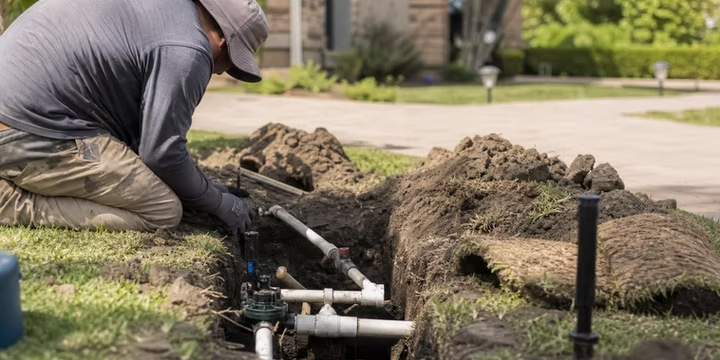
A sprinkler system reroute is the process of changing the path of underground irrigation piping, relocating sprinkler heads and valves, and adjusting plumbing connections so the system matches your property’s current layout and watering needs. It involves more than just moving a few pipes. It’s a strategic redesign based on what your landscape looks like now, not what it looked like when the system was first installed.
Think of it this way: the original system was designed for a specific yard layout. When that layout changes, whether from construction, new garden beds, or mature trees casting shade where there used to be sun, the irrigation layout needs to change too.
Reroute vs. Repair vs. Replacement: How They Differ
This distinction matters because it affects what you’ll pay, how long the work takes, and whether the fix actually lasts.
A reroute sits in the middle ground. It lets professionals modernize the layout and improve performance without tearing out and replacing everything. If you’re just dealing with a broken sprinkler line in one spot, a repair is probably fine. But if that same line keeps breaking, or if your yard no longer matches the original irrigation design, a reroute is the right call.
When You Need a Sprinkler System Reroute
Construction and Property Changes
This is the most common trigger. Adding a swimming pool, patio, deck, outdoor kitchen, driveway, or home addition almost always requires rerouting irrigation lines that run through the construction zone. The same goes for sewer or water line work that requires excavation near existing sprinkler infrastructure.
Practitioners on pool forums report that the disruption goes far beyond the footprint of the new feature. One member of the TroubleFreePool community noted that “there is going to be way more digging in your yard than just where the pool is going,” including trenching for pool pipes, fill lines, and sewer connections. Even areas that aren’t directly excavated will likely have heavy machinery driving over them, damaging the PVC underneath.
Landscape Changes Over Time
Yards evolve. Trees grow taller and wider, creating shade where there used to be direct sun. New garden beds replace turf. Shrubs block sprinkler spray patterns. When these changes accumulate over years, the original zone layout stops making sense. Sprinkler heads are watering pavement or missing new planting areas entirely.
Tree root interference is a particularly common and underappreciated issue. Tree roots are notorious for damaging underground lines, and rerouting the pipe away from the root zone is often a better long-term solution than just patching the same leak every season.
Persistent System Problems
If you keep fixing the same section of your system and the problems keep returning, that’s a signal the pipe routing itself is the issue, not just the individual component. Pipes that run too close to tree roots, high-traffic areas, or unstable soil are prone to repeated damage. In these cases, a reroute addresses the root cause rather than just the symptom.
Warning signs that suggest a reroute over a repair:
- Persistent dry spots even after head adjustments
- Standing water or oversaturation in specific zones
- Frequent pipe leaks in the same section of the yard
- Low or inconsistent water pressure across zones
- Sprinkler heads that never align properly with coverage areas
For context on waste: according to the EPA’s WaterSense program, a single irrigation leak can waste up to 6,300 gallons of water per month. Repeated patching that doesn’t hold wastes both water and money.
How the Sprinkler Reroute Process Works
Step 1: Assessment
A professional evaluates the existing system, identifies problems, maps out which zones and lines are affected, and documents what needs to change. This step includes checking water pressure, soil conditions, elevation changes, and current plant needs.
Step 2: Design
Based on the assessment, an irrigation professional designs a new layout that solves the identified problems. This isn’t guesswork. Factors like head-to-head coverage, shade zones, soil type, and available water pressure all shape the new plan.
Step 3: Call 811 Before Digging
Texas law requires anyone to contact 811 at least two business days before excavating (excluding weekends and holidays). This applies to professionals and homeowners alike. The service is free, and it locates underground utilities so nobody cuts a gas line or fiber optic cable while digging up sprinkler pipe.
It’s worth noting that sprinkler lines typically sit 7 to 10 inches underground, though they may be as shallow as 4 inches or as deep as 12 inches depending on the original installation. If you’re modifying the backflow system or affecting plumbing connections during the reroute, permits and backflow testing may also be required.
Step 4: Implementation
The actual rerouting begins. Crews move and remove sprinkler lines, change head locations, cap off abandoned runs, and make all necessary plumbing connections. In West Texas, where caliche soil can make trenching difficult and temperature swings stress PVC, proper installation depth and fitting quality matter even more than in temperate climates.
Step 5: Testing
After rerouting, every zone is tested for pressure, coverage, and functionality. Heads are adjusted, and the controller is reprogrammed to reflect any new zones or changes in runtime needs.
The Timing Debate: Reroute Before or After Construction?
This question comes up constantly when homeowners are adding a pool or patio, and the answer is less straightforward than most contractors suggest.
The “reroute before” argument holds that if you don’t move irrigation lines before pouring concrete, you risk burying drip lines or pipe fittings under a slab. Any blockage can cause the system to malfunction, and fixing it later means breaking concrete.
The “reroute after” argument comes from experienced irrigation companies who point out that construction crews often destroy or bury relocated parts anyway. One San Antonio irrigation company warns that you could end up paying twice if lines are moved too early, only to be crushed by heavy machinery during construction.
A retired builder shared on Quora that a “typical failure” involves heads capped and the line left pressurized under a slab. Years later, a fitting fails, and the repair requires breaking concrete, costing several times what the original reroute would have.
The practical answer depends on the project. For major construction like pools, the best approach is usually to document the existing system before work begins, let construction finish, then reroute once the dust settles. For smaller hardscape like a patio or walkway, reroute before pouring so no active lines end up under concrete. Either way, coordination between the irrigation contractor and the construction crew is essential.
How Much Does a Sprinkler Reroute Cost?
What drives costs up: More zones involved, difficult soil (like the caliche common in West Texas), limited access for equipment, age and complexity of the existing system, and the extent of redesign needed.
Real-world numbers from homeowner forums paint a useful picture. On the TexAgs forum, a homeowner who DIY’d a pool reroute (running a new mainline, creating three new zones, and handling all the wiring) reported about $800 in parts alone, noting that “SCH40 PVC is freaking expensive.” He estimated a reputable company would have charged $3,000 for the same work. Another homeowner on the same forum received a $5,100 quote for a post-pool reroute with only $900 in parts, which multiple commenters considered high.
For a broader look at what irrigation work costs in general, see this irrigation system cost guide.
Why a Reroute Is an Upgrade Opportunity
Since the system is already being dug up and redesigned, a reroute is the ideal time to modernize. Treating it as a straight pipe-moving exercise misses a real opportunity.
Upgrades worth considering during a reroute:
- Smart controllers: Wi-Fi enabled controllers with weather-based scheduling adjust runtimes automatically, cutting water waste without any ongoing effort from the homeowner.
- High-efficiency nozzles: Pressure-regulated, matched-precipitation nozzles deliver water more evenly and reduce misting and runoff.
- Drip irrigation conversion: Garden beds, shrub areas, and tree rings often perform better on drip irrigation rather than spray heads.
- Zone replanning: Rerouting lets you separate sun zones from shade zones, turf from beds, and high-water plants from drought-tolerant areas.
- Backflow device inspection: While the system is open, it’s the right time to check the backflow preventer and verify it meets current code requirements.
Upgrading sprinkler head types during a reroute adds minimal cost compared to doing it as a separate project later.
DIY vs. Professional Reroute
Small adjustments, like moving a single sprinkler head a few feet, are manageable for experienced homeowners. But a full sprinkler system reroute involving multiple zones, new pipe runs, and valve relocation is a different level of complexity. It requires knowledge of plumbing, irrigation design, water pressure calculations, and local codes.
The TexAgs homeowner who did his own pool reroute saved significant money, but he also had experience with PVC work and was comfortable creating new zones from scratch. For most homeowners, the risk of leaks, poor coverage, and code violations makes professional installation the safer bet.
FAQ
Will rerouting my sprinkler system damage my lawn?
Yes, there will be temporary disruption. Trenching is required to lay new pipe, which means digging up sections of turf. A good irrigation crew minimizes the footprint and replaces sod after the work is done. Most lawns recover within a few weeks during the growing season.
Do I need a permit for a sprinkler reroute?
It depends on the scope. If you’re modifying the backflow prevention assembly or making changes that affect the connection to your potable water supply, permits may be required. Check with your local city code enforcement office. In Lubbock and surrounding West Texas towns, backflow compliance is a common requirement.
How long does a sprinkler reroute take?
Simple reroutes involving one or two zones can be completed in a day. Larger projects involving multiple zones, new valve boxes, and controller upgrades may take two to three days. Pool-related reroutes that affect the entire backyard can take longer depending on the complexity.
Can I just cap off the sprinkler heads in the construction zone instead of rerouting?
You can, but it’s risky. Capping heads without removing or properly depressurizing the lines leaves pressurized pipe under new hardscape. If a fitting fails years later, you’re breaking concrete to fix a leak. A retired builder reported on Quora that he has “had to dig up concrete walkways and tiled patios where sprinkler pipes or pipe fittings have failed 10 to 40 years later.”
What’s the difference between rerouting sprinkler lines and adding a new zone?
Rerouting relocates existing infrastructure to new positions. Adding a zone creates an entirely new circuit with its own valve, pipe run, and heads connected to the controller. A reroute may include adding zones if the redesign calls for it, but they’re not the same thing.
Should I reroute my sprinkler system before or after installing a pool?
For pools specifically, most experienced contractors recommend waiting until after construction is complete. Heavy machinery and extensive trenching during pool installation tend to damage any irrigation work done beforehand. Document your system before construction starts, then reroute once the pool crew is finished.
A sprinkler system reroute is one of those projects that pays for itself when done right, and costs you twice when done wrong. If your landscape has changed, construction is coming, or you’re tired of fixing the same problems over and over, rerouting is worth serious consideration.
→ Need help evaluating whether your system needs a reroute, repair, or upgrade? Explore residential sprinkler services to see what a professional assessment looks like.